November 2, 2025
Delight Dine-In
A case study exploring how digital reservations reduce uncertainty and wait times,
resulting in a scalable, user research driven mobile solution.
Year
2025
Client
Self Initiated
Category
Mobile App
Duration
10 - 12 Weeks
User Pain Points
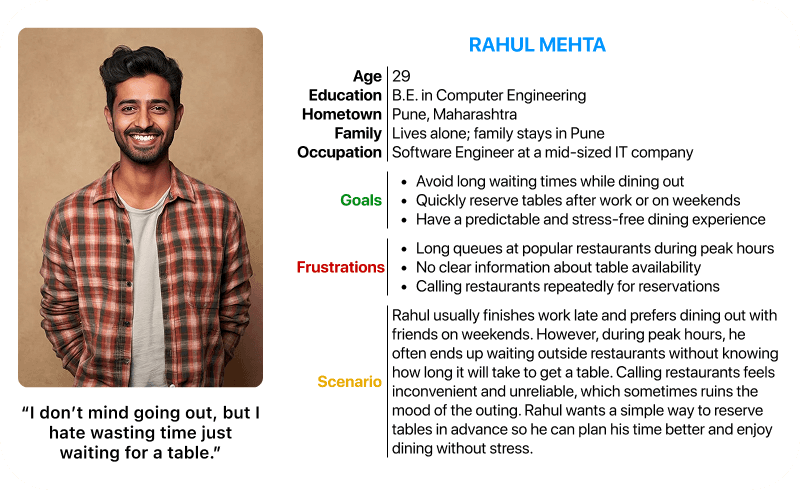
Users often experience long waiting times at restaurants during peak hours, which leads to frustration and wasted time.
There is no clear visibility of table availability, forcing users to guess or visit multiple restaurants.
Users rely on calling restaurants or walking in to check availability, which feels inconvenient and inefficient.
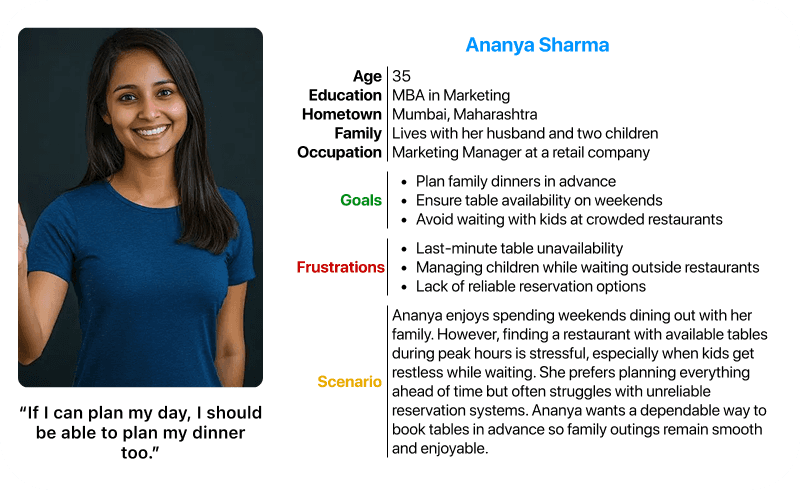
Last minute unavailability and poor coordination result in a stressful and unpredictable dining experience.
Solution
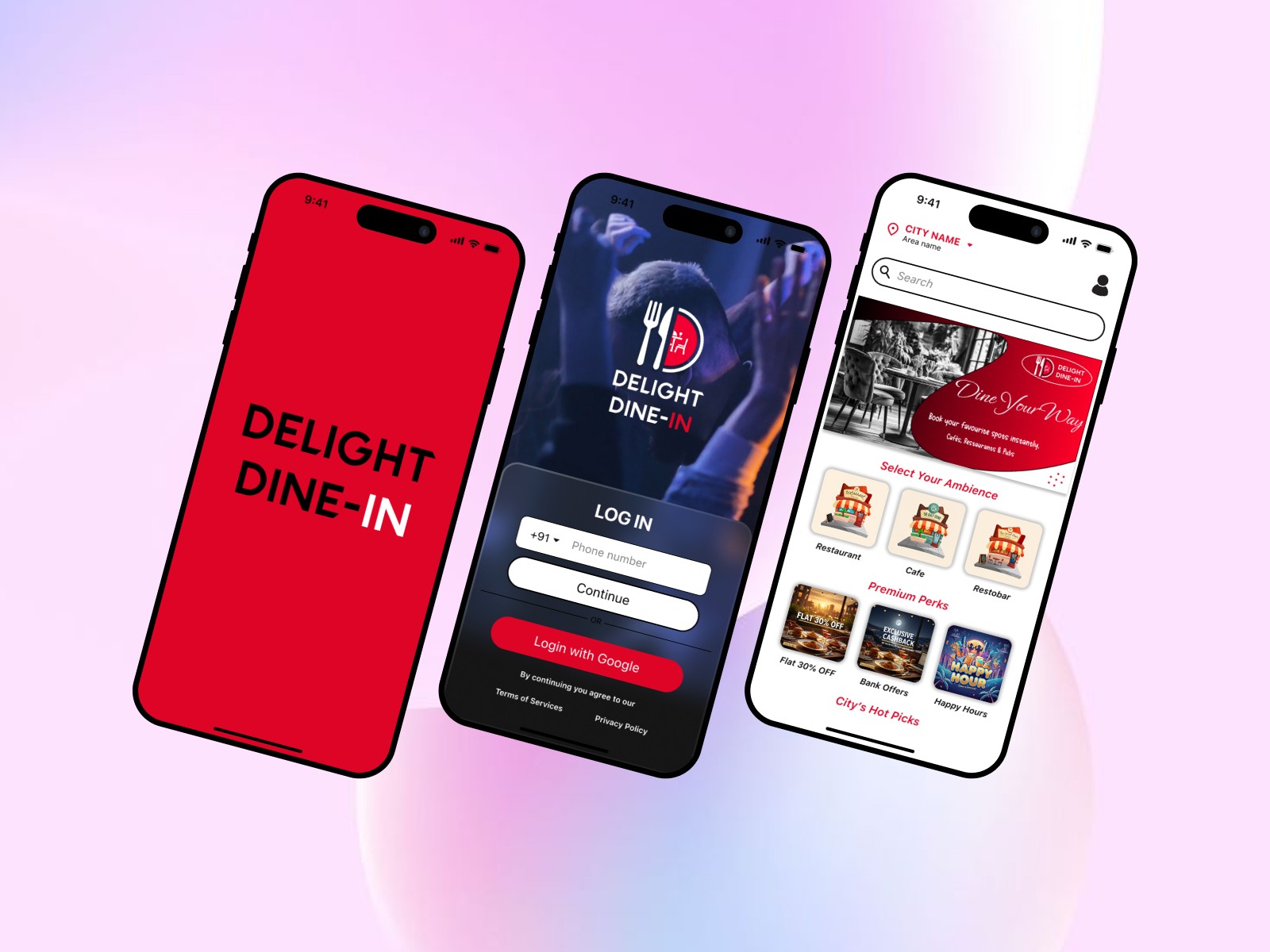
Delight Dine-in is a table reservation app that allows users to discover nearby restaurants, check real-time table availability, and reserve tables in advance. The app simplifies the dining experience for users while helping restaurants manage reservations, reduce wait times, and optimize table utilization through a centralized system.
Target Audience
College Students & Young Adults
Frequently dine out in groups and look for quick, affordable options.
Families
Prefer advance reservations to avoid waiting with children.
Working Professionals
Busy schedules, prefer planned dining without waiting.
Restaurant owners and Managers
Need better control over reservations and table management.
Approach
User centered design approach, starting with understanding real dining problems through research, validating assumptions with data, and iteratively designing solutions. Each design decision was backed by insights from qualitative and quantitative research, ensuring the solution addressed real user needs rather than assumptions.
Design Thinking
Empathize: User research and User interview
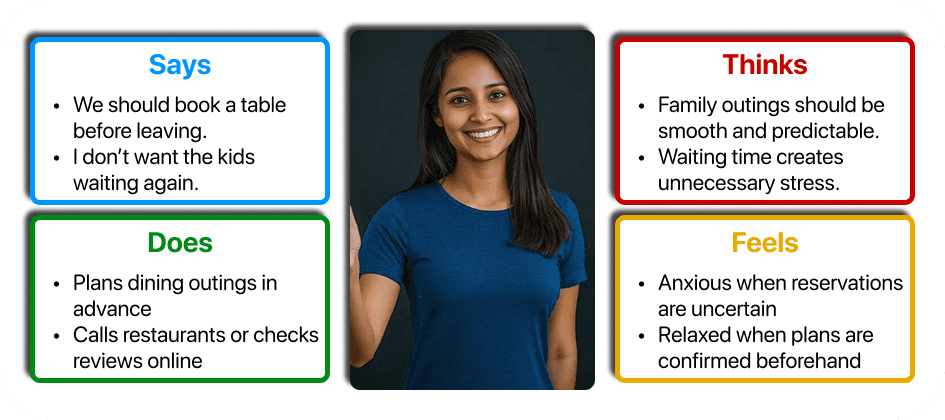
Define: User persona and Empathy map
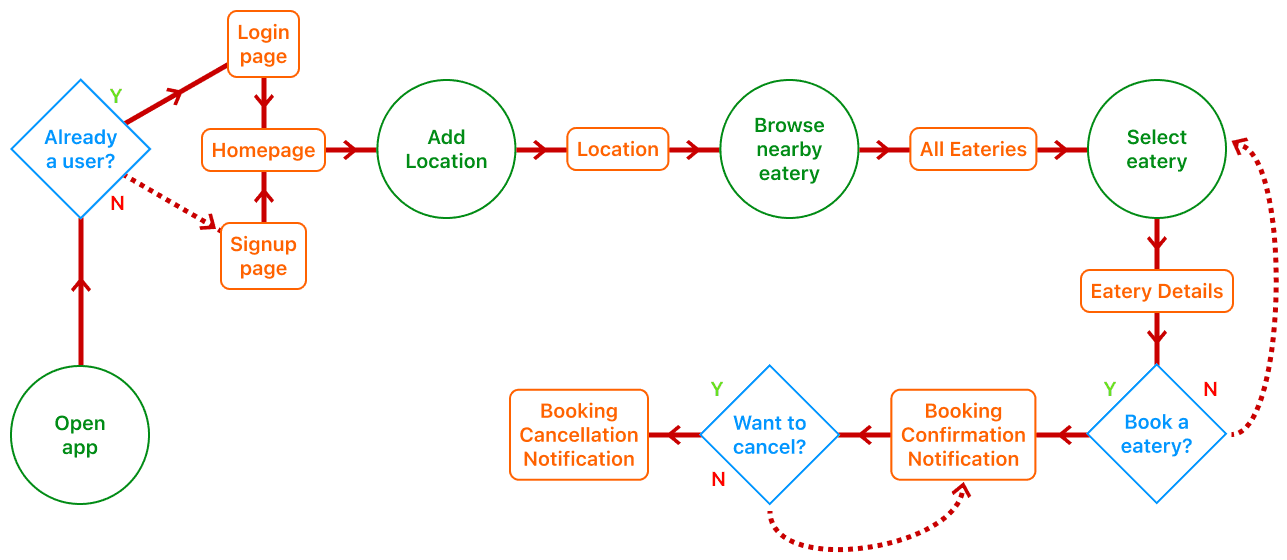
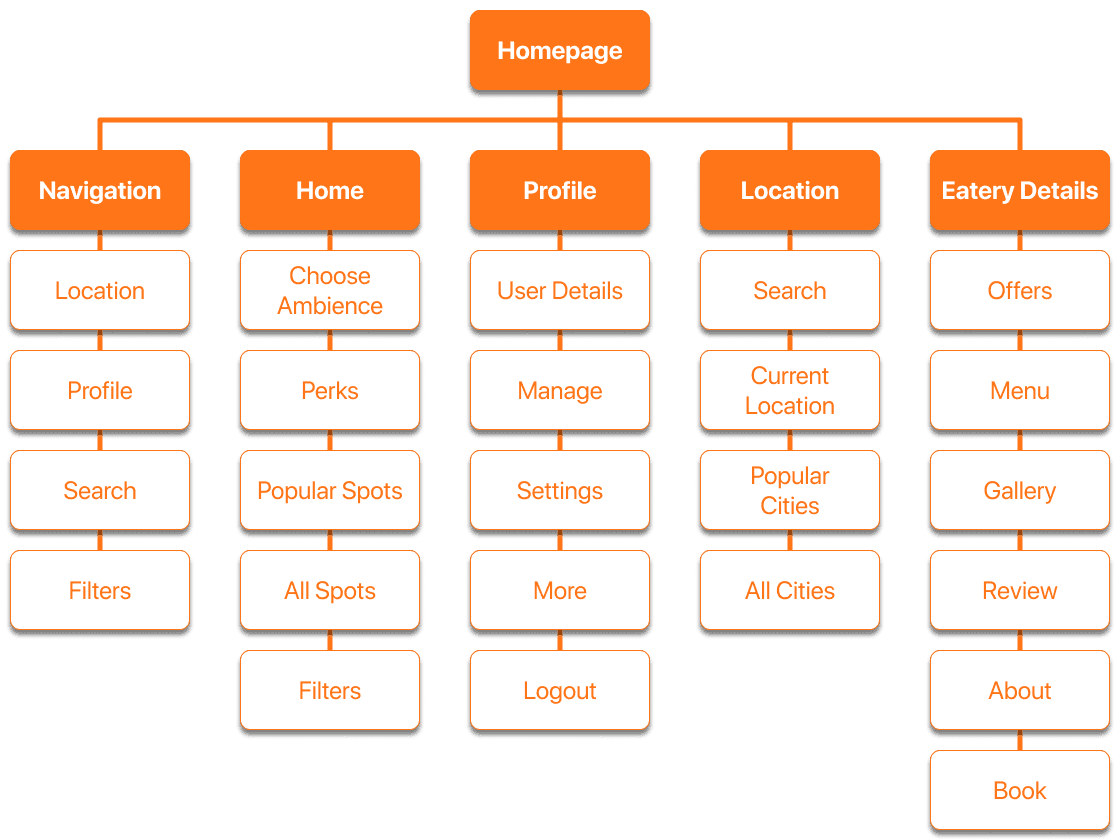
Ideate: Card sorting, User flow and Information architecture
Design: Wireframes, Visual design and Prototype
Test: Tested usability and Refined the experience
Empathize Phase
Qualitative Research
To understand real dining behaviors and frustrations, I conducted one-on-one qualitative interviews with 8 participants, including working professionals, students, and frequent diners. The interviews were informal and conversational in nature, conducted with friends, peers, and people who regularly dine out, allowing me to gather honest insights based on their real experiences rather than scripted responses.
Interview Questions
How do you usually decide where to eat?
Have you ever waited long for a table? How did it feel?
Do you prefer walk-ins or advance reservations? Why?
What frustrates you the most while dining out?
Key Insights
Users dislike uncertainty about waiting time.
Many people check multiple apps or call restaurants directly.
Peak hours cause anxiety and poor dining experiences.
Users want a simple, quick reservation process without phone calls.
Quantitative Research
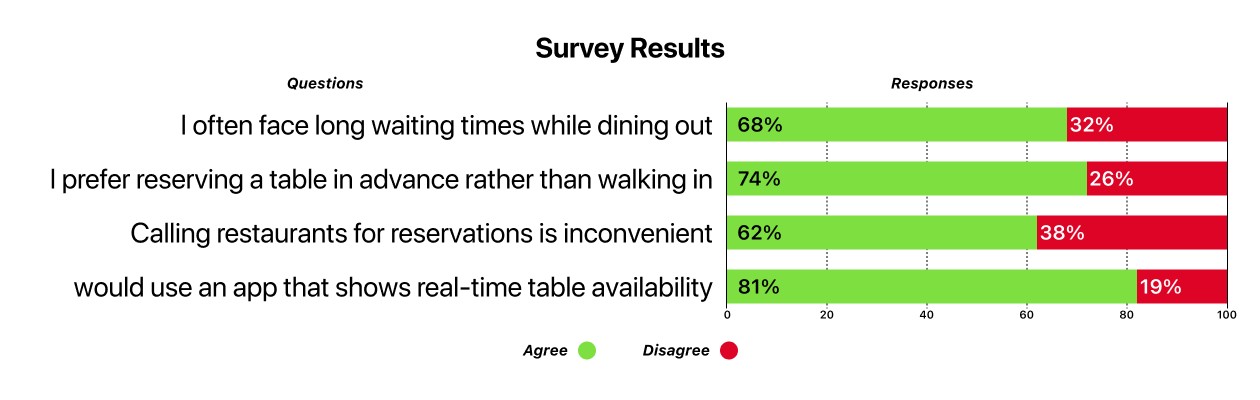
To validate the assumptions identified during qualitative research, I conducted an online survey with 50 participants using a structured questionnaire. The survey focused on understanding dining frequency, waiting time experiences, reservation preferences, and attitudes toward using digital solutions for table booking. Close-ended questions with agree/disagree response options were used to collect measurable data and identify common behavioral patterns among users
Key Insights
Most users prefer reserving tables in advance
Real-time table availability is highly valued
Phone based reservations are perceived as inefficient
There is a strong opportunity for a digital reservation solution
Define Phase
User Persona
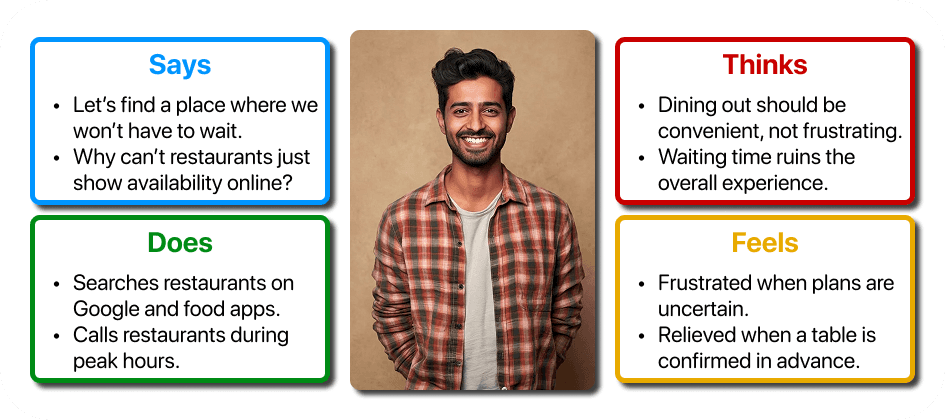
Empathy Map
Ideate Phase
User Flow
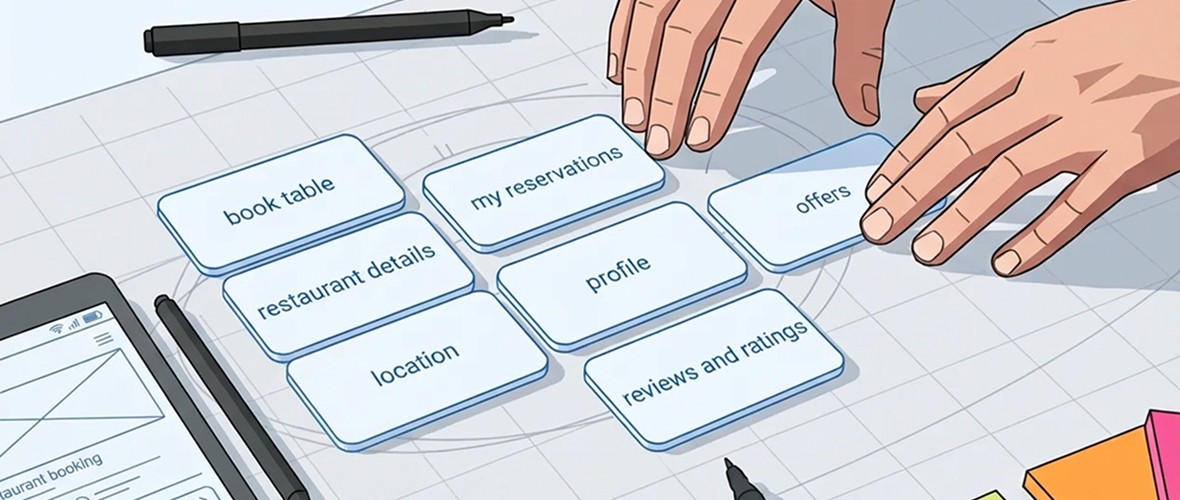
Card Sorting
Designer led open card sorting based on research insights and common user behavior patterns.
Key Insights
Booking related features belong on the home screen.
Reservation history aligns naturally with the profile section.
Simple and familiar labels improve clarity.
Information Architecture
Design Phase
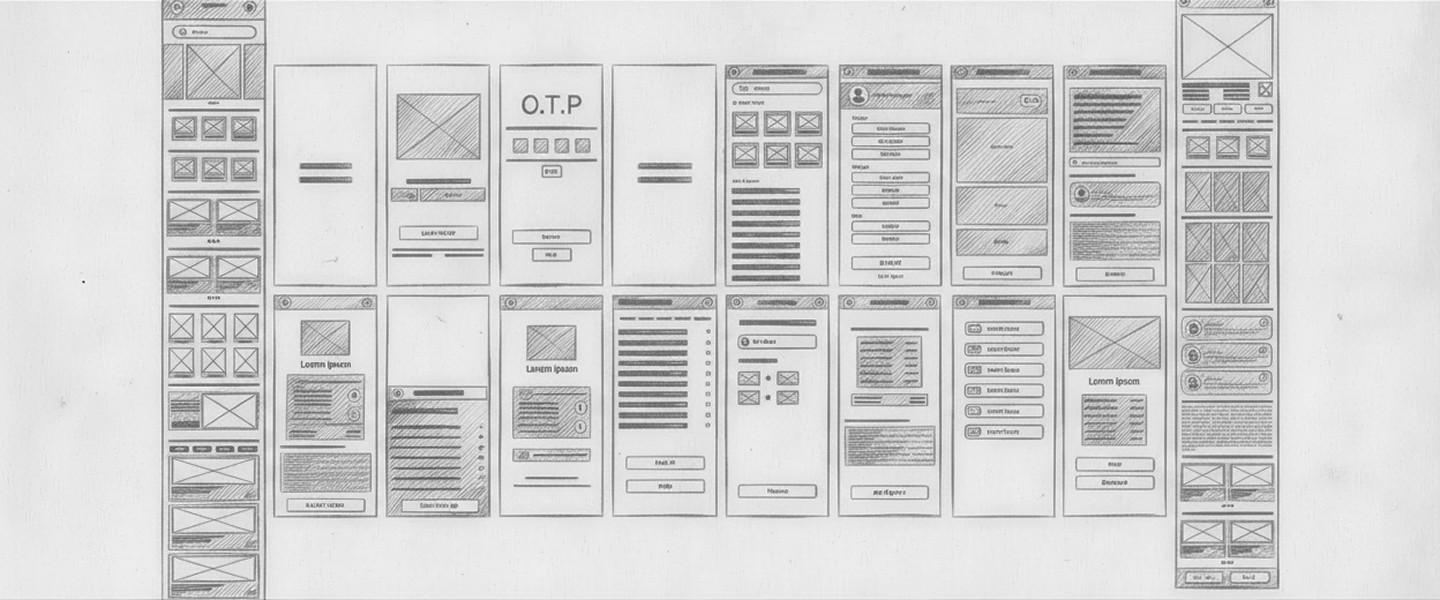
Paper Wireframe
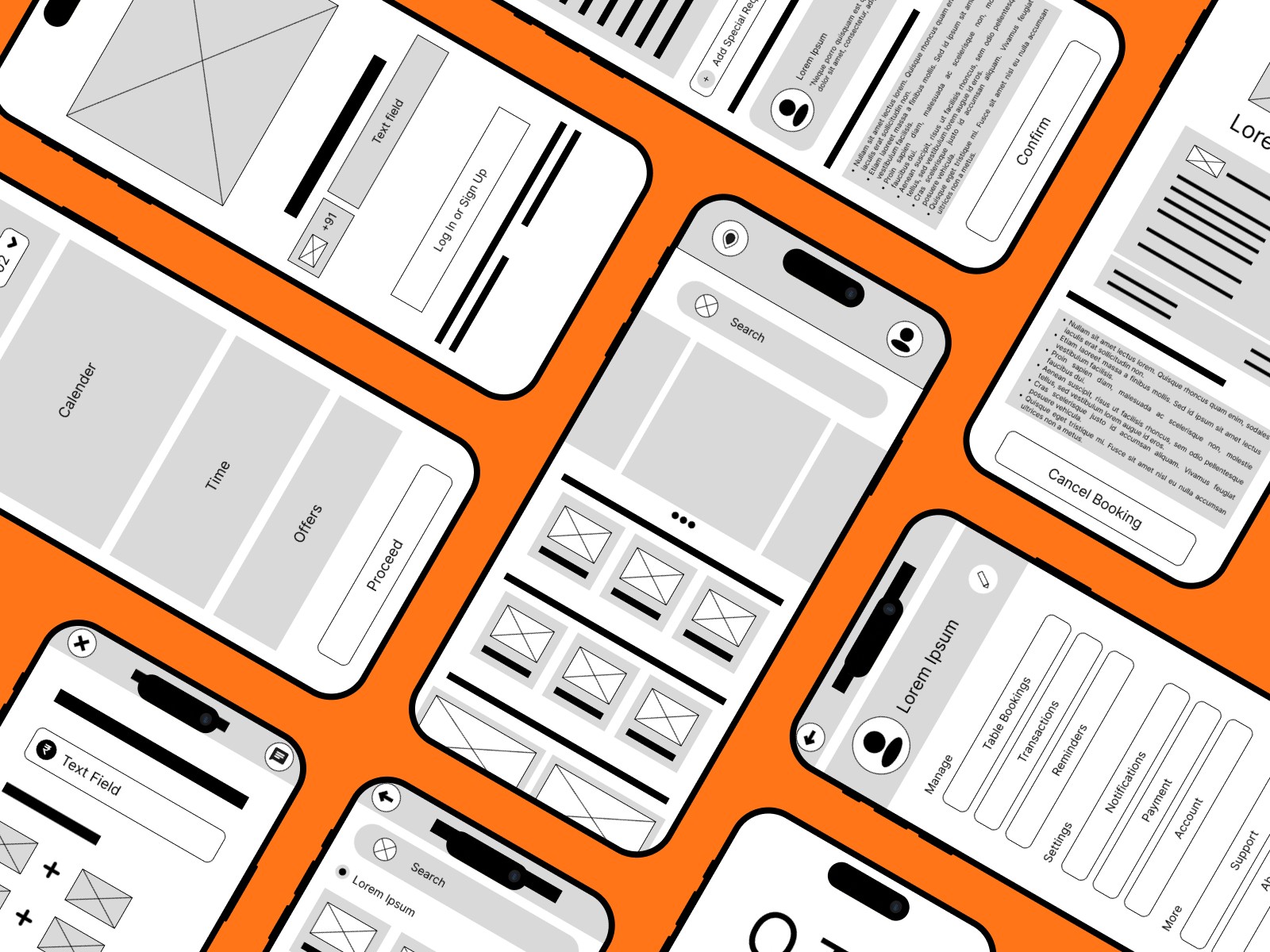
Mid Fidelity
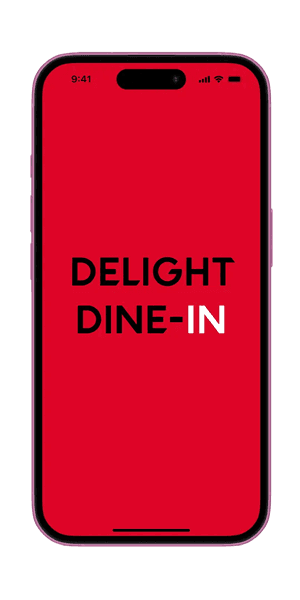
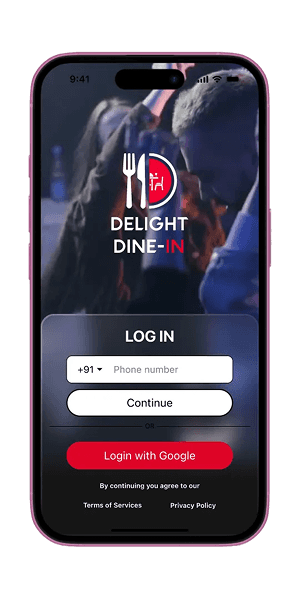
High Fidelity
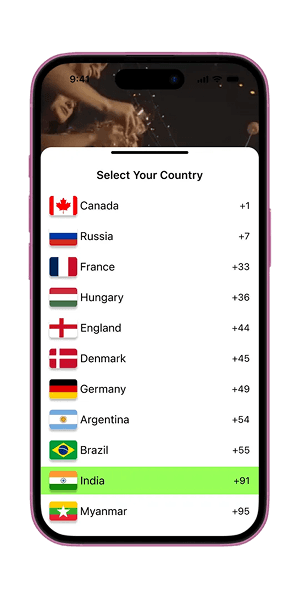
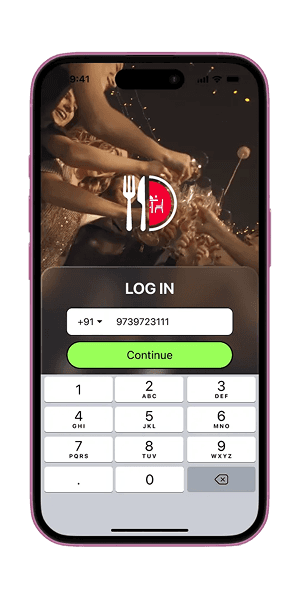
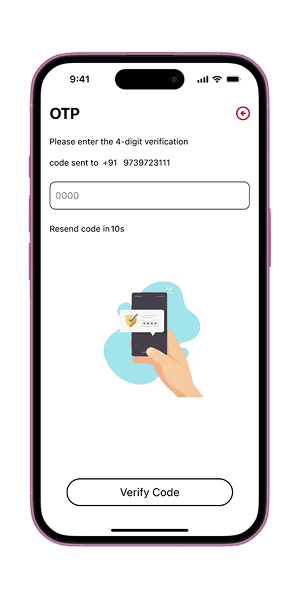
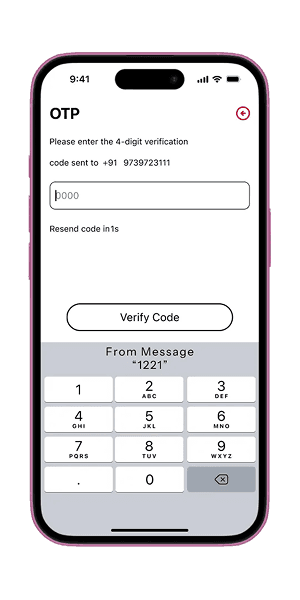
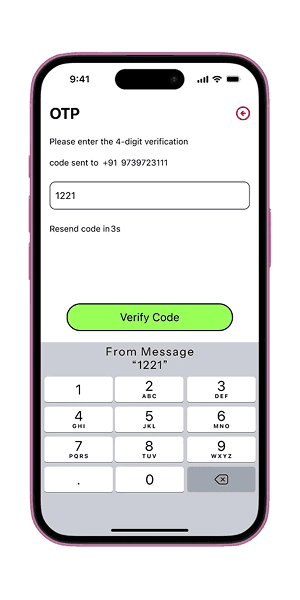
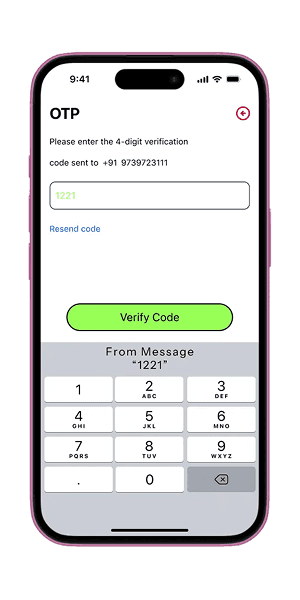
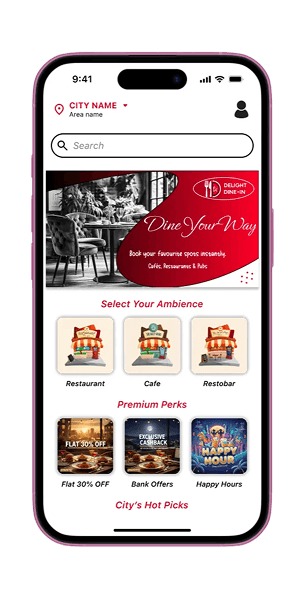
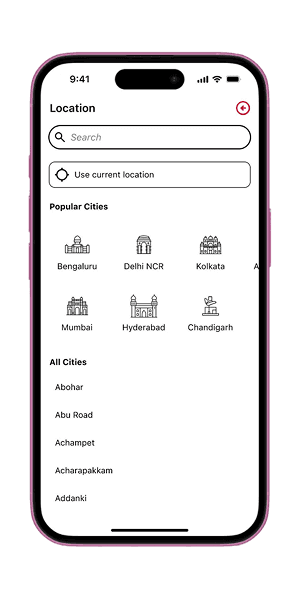
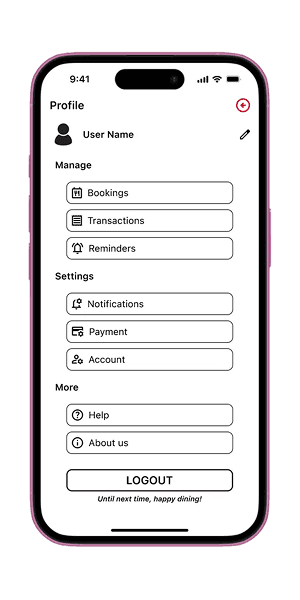
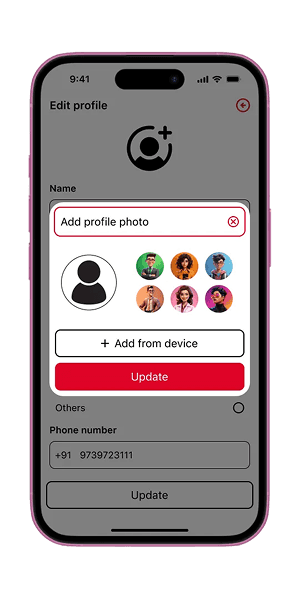
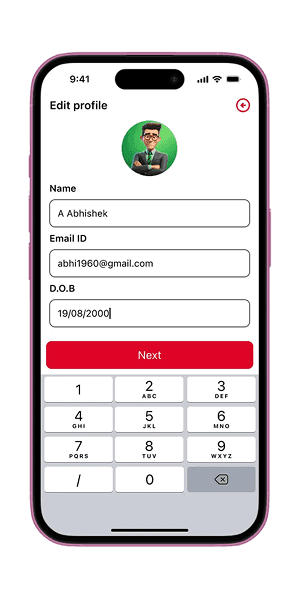
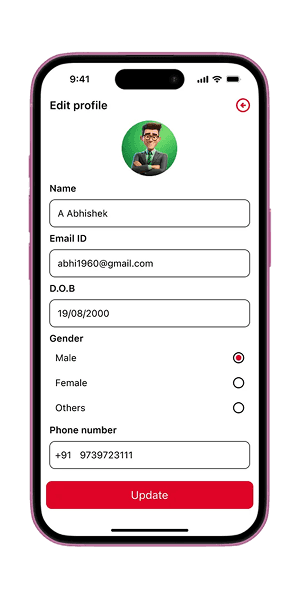
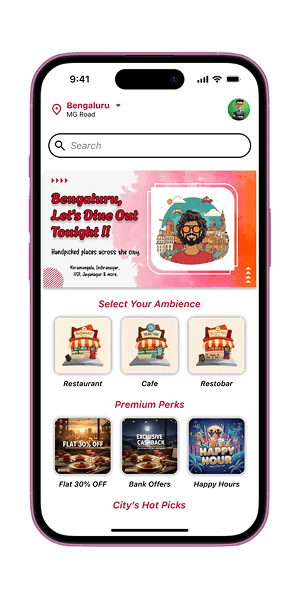
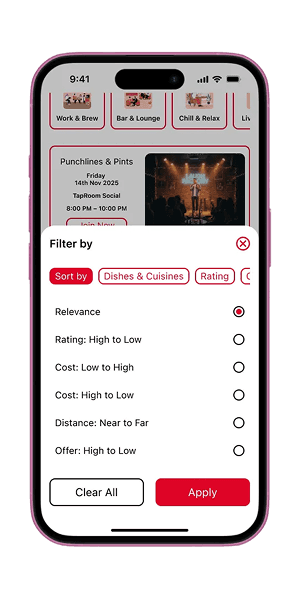
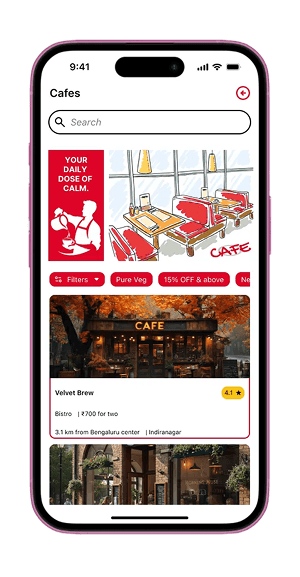
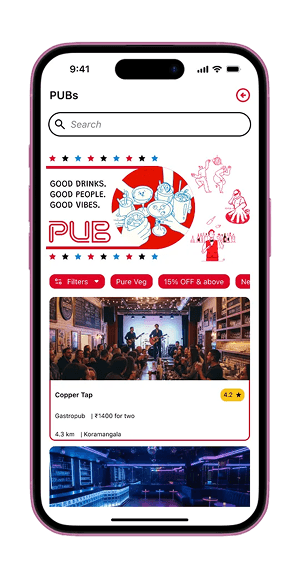
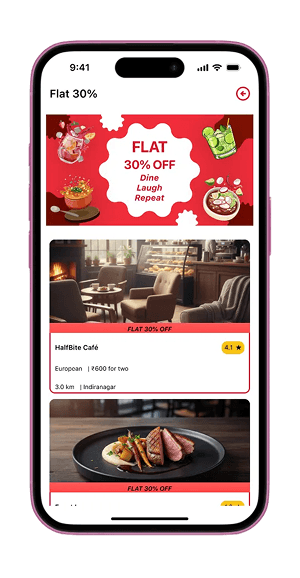
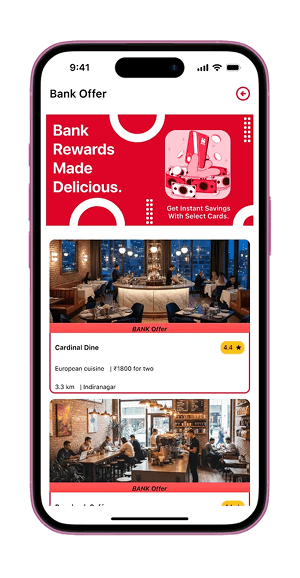
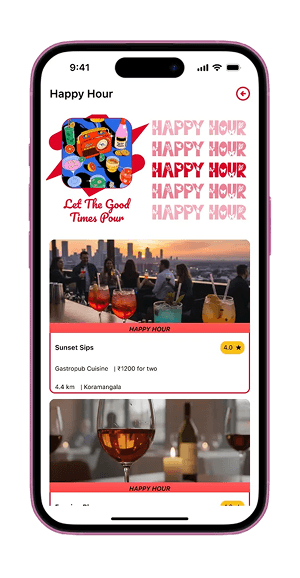

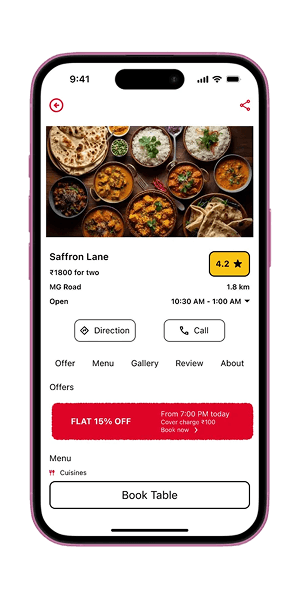
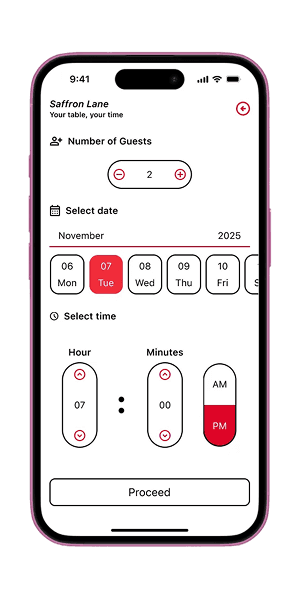
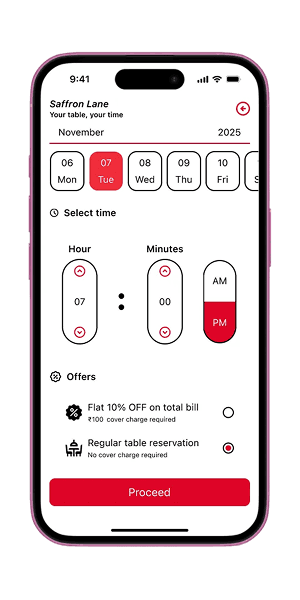
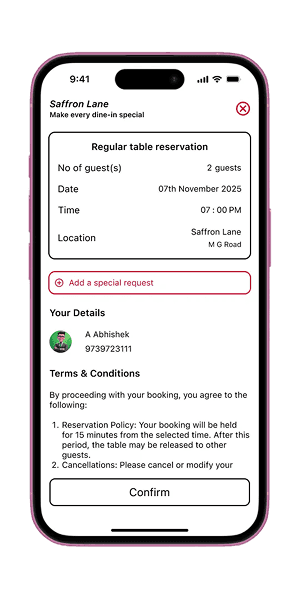
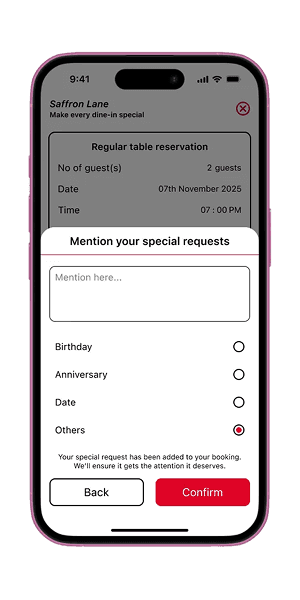
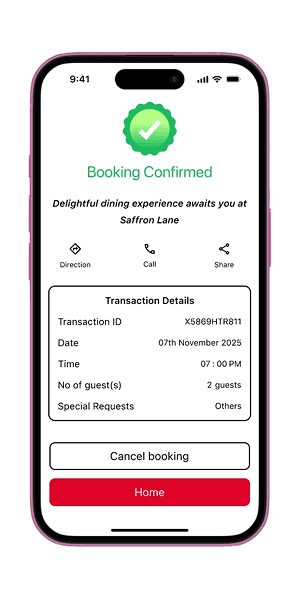
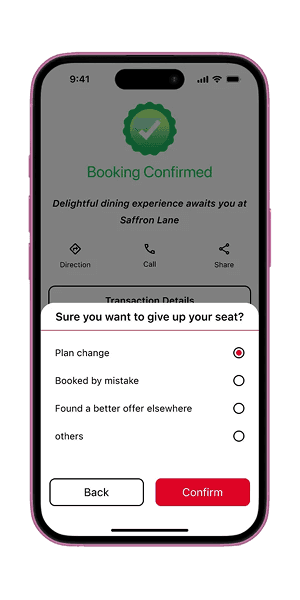
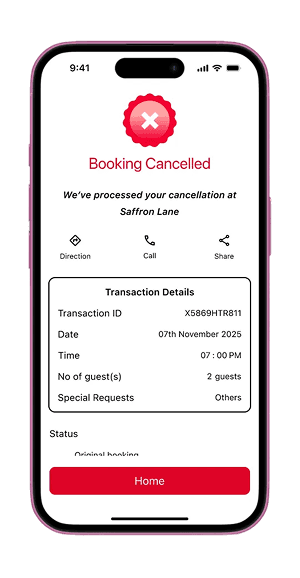
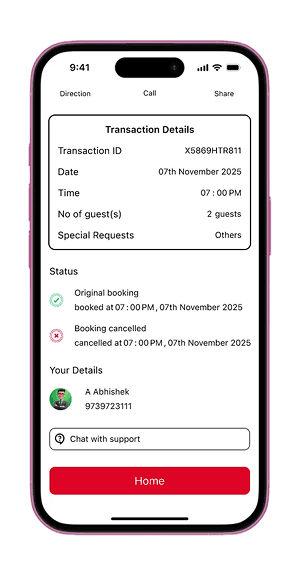
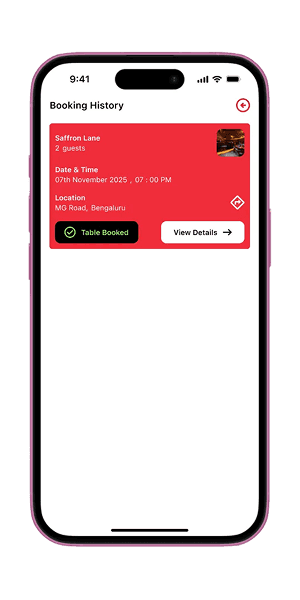
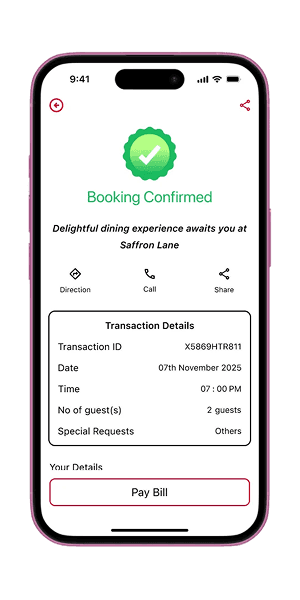
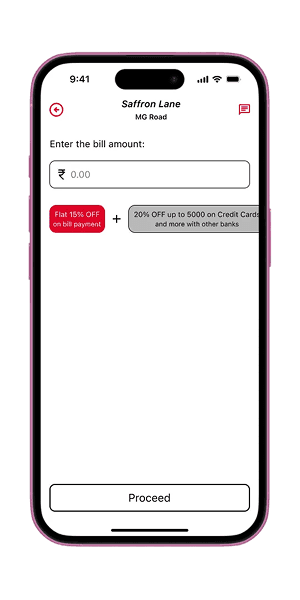
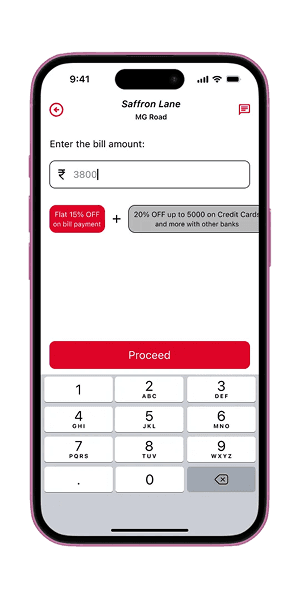
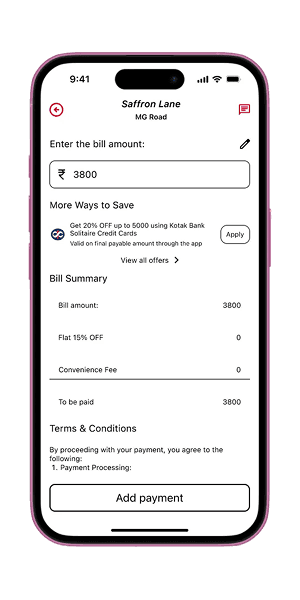
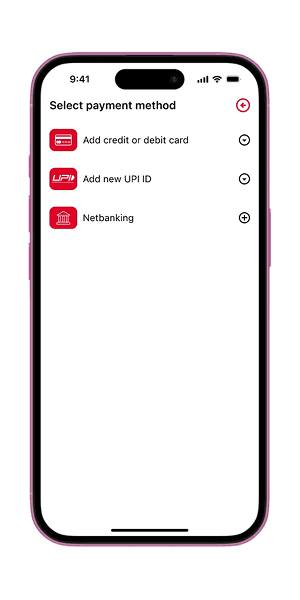
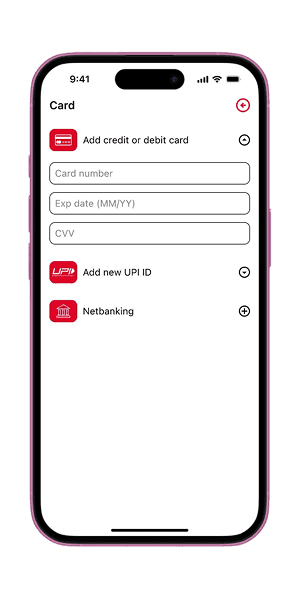
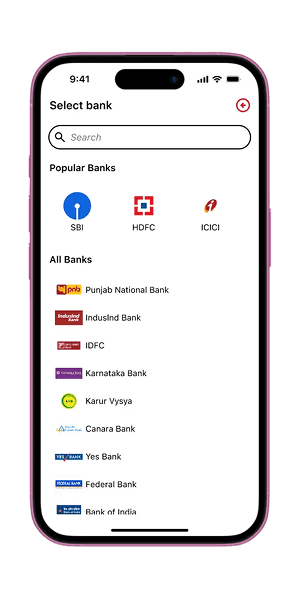
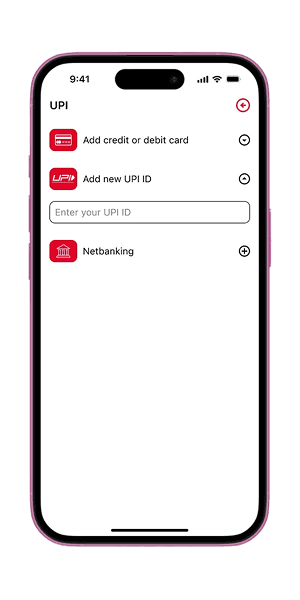
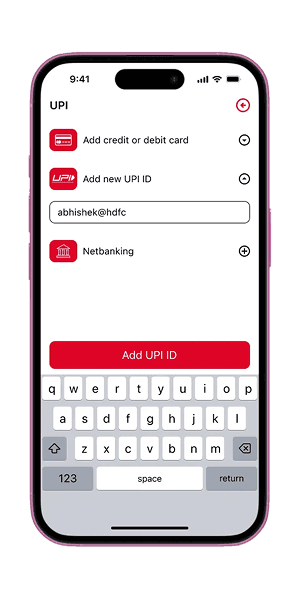
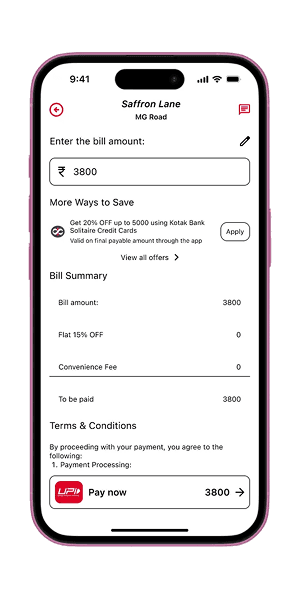
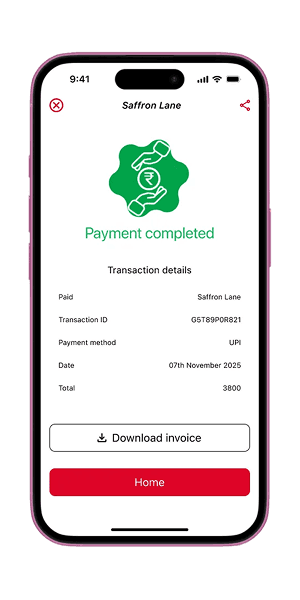
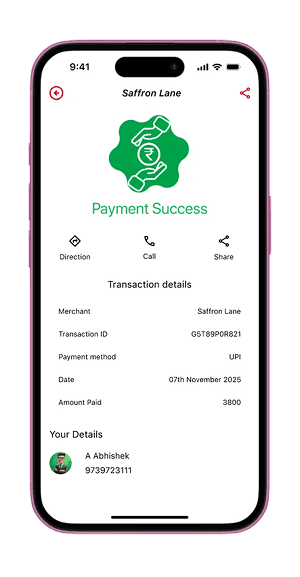
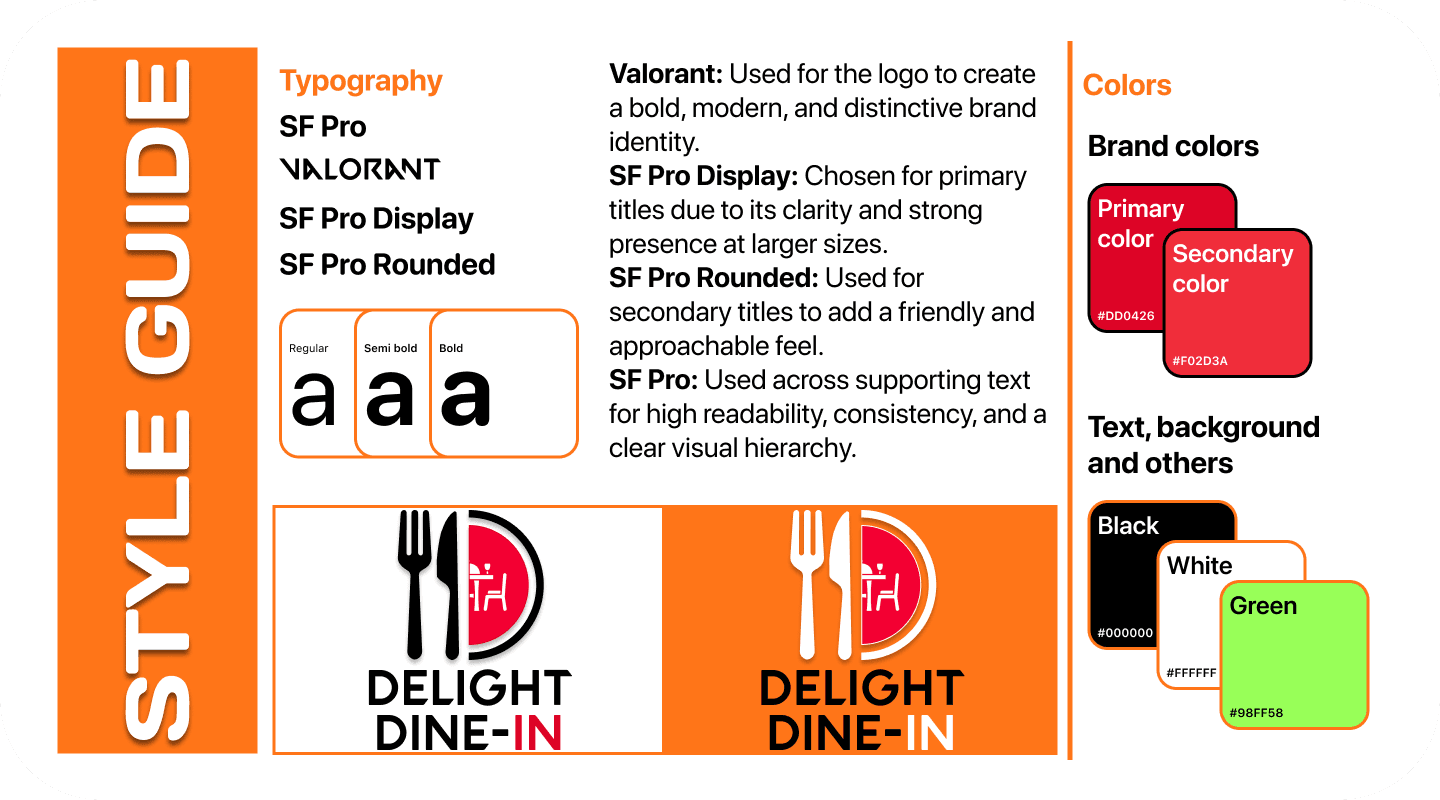
Visual Design
Test Phase
Usability testing was conducted on interactive prototypes to evaluate task flow clarity and booking efficiency, leading to refinements that improved navigation simplicity and reduced friction in the reservation process.
More Works More Works