June 2, 2025
Zidio Task Management
A case study on ZIDIO Task Management streamlining collaboration, task tracking, and deadlines through user centered design.
Year
2025
Client
Zidio development
Category
Web Design
Duration
4 - 6 weeks
Challenges
Teams and individuals often struggle with managing tasks across multiple tools, leading to missed deadlines, lack of clarity on responsibilities, poor collaboration, and limited visibility into progress. Existing task management solutions are either too complex for small teams or too simplistic for growing teams, resulting in inefficient workflows and reduced productivity.
Solution
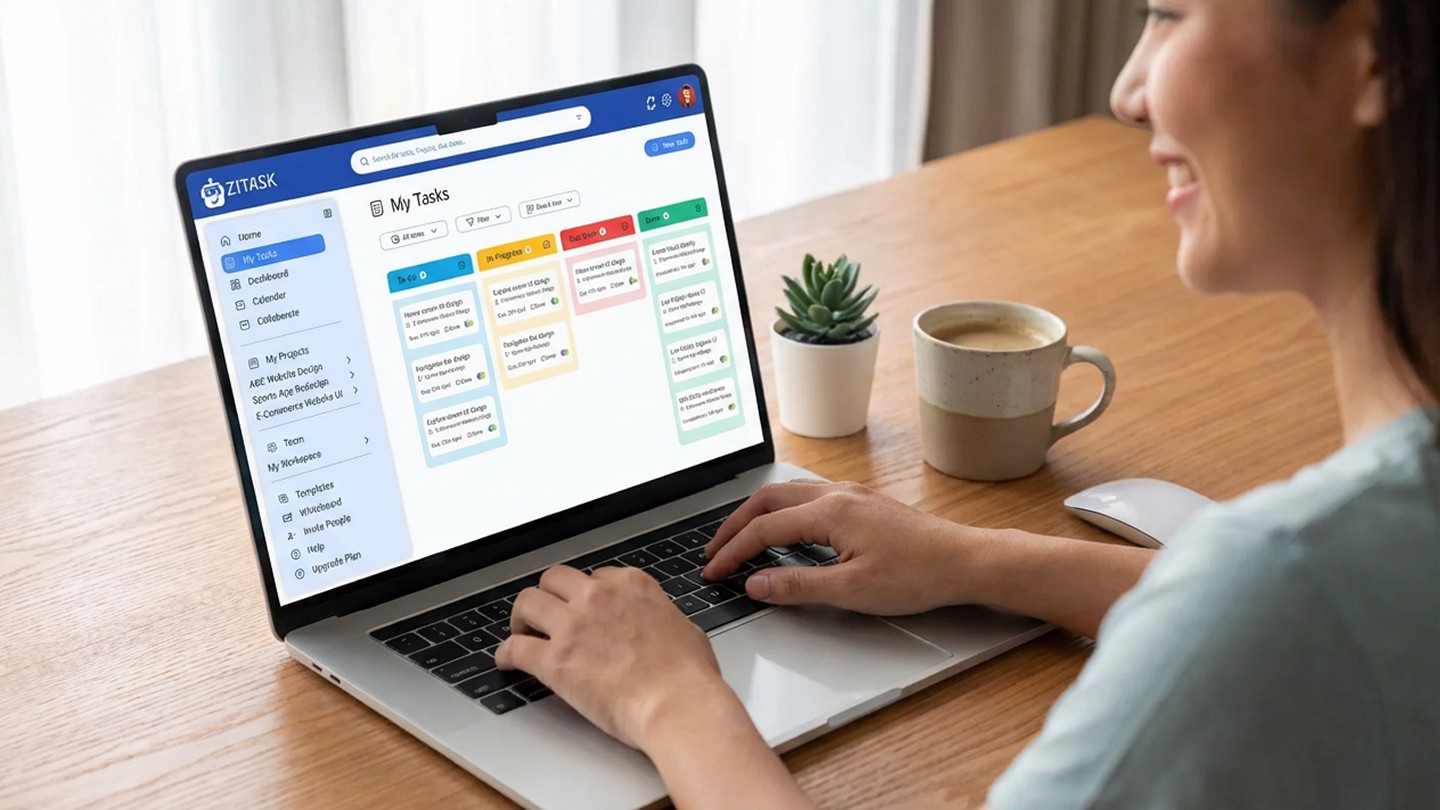
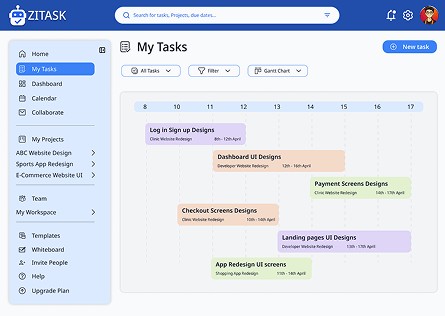
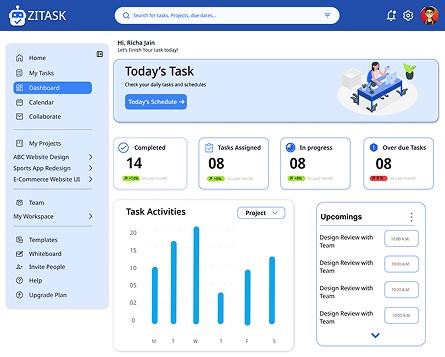
ZIDIO Task Management was designed as a centralized, user friendly platform that helps teams organize tasks, track progress, and collaborate in real time. By combining Kanban style task boards, role based access, deadline tracking, and progress reporting, the solution simplifies task execution while maintaining flexibility for teams of different sizes.
Target Audience
Startup Teams
Small teams needing simple yet structured task tracking.
Project Managers
Professionals managing multiple tasks, deadlines, and team members.
Freelancers & Remote Workers
Individuals collaborating with clients or distributed teams.
Mid-size Organizations
Teams requiring role based access and progress reporting.
Approach
I followed a user centered design approach that focused on understanding real user pain points before jumping into design. The project moved from research and problem validation to ideation, wireframing, visual design, and usability refinement. Each design decision was backed by research insights and usability principles.
Thinking Process
Empathize: User Research, User Interview and Competitive Analysis.
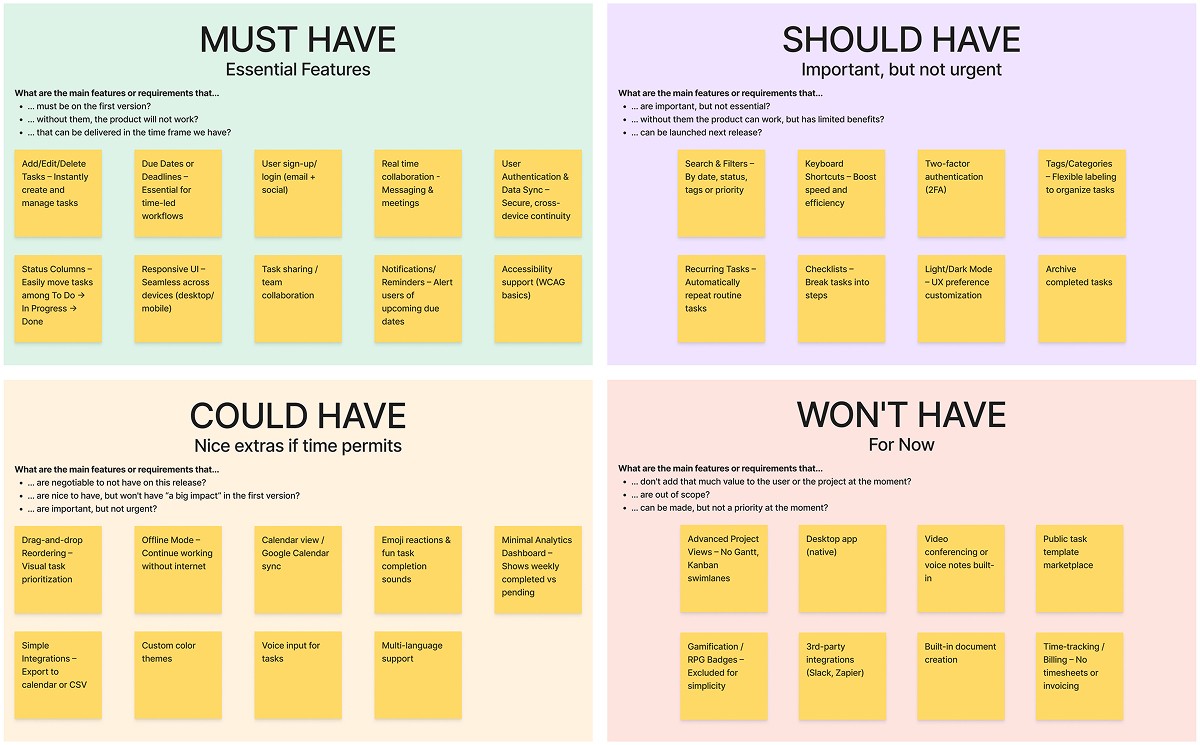
Define: User Persona, User Story and MoSCoW Analysis.
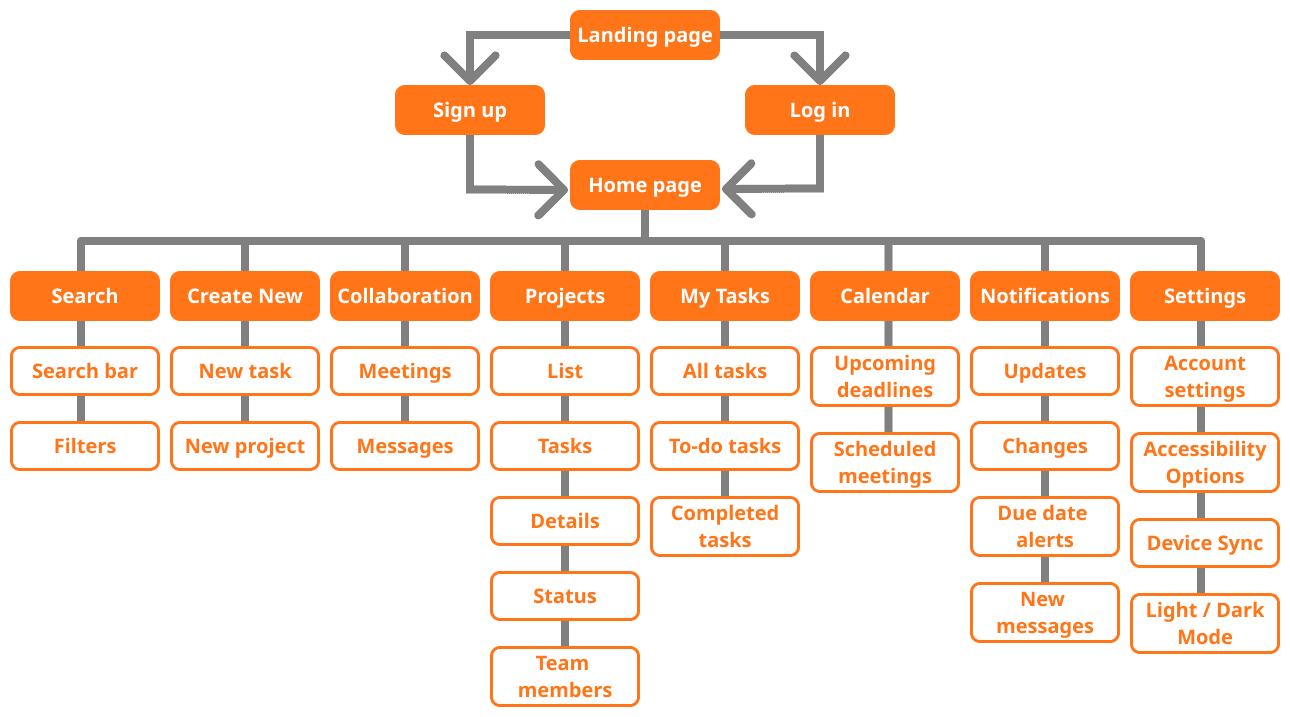
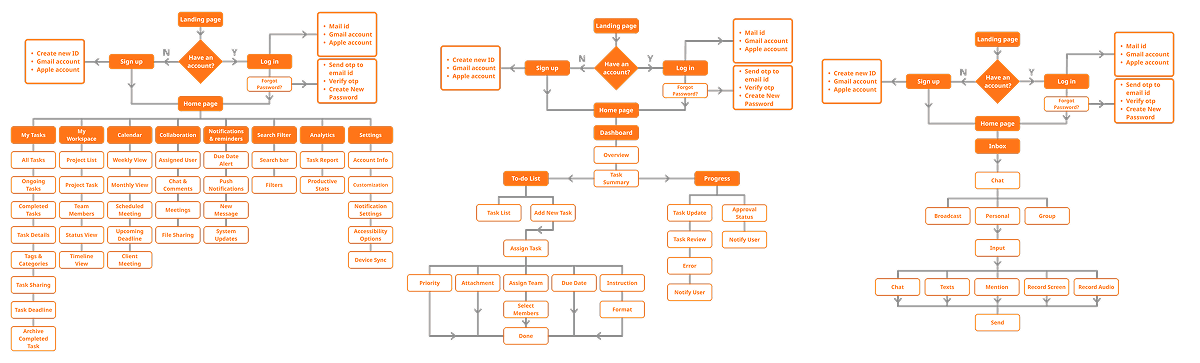
Ideate: User flow and Information architecture.
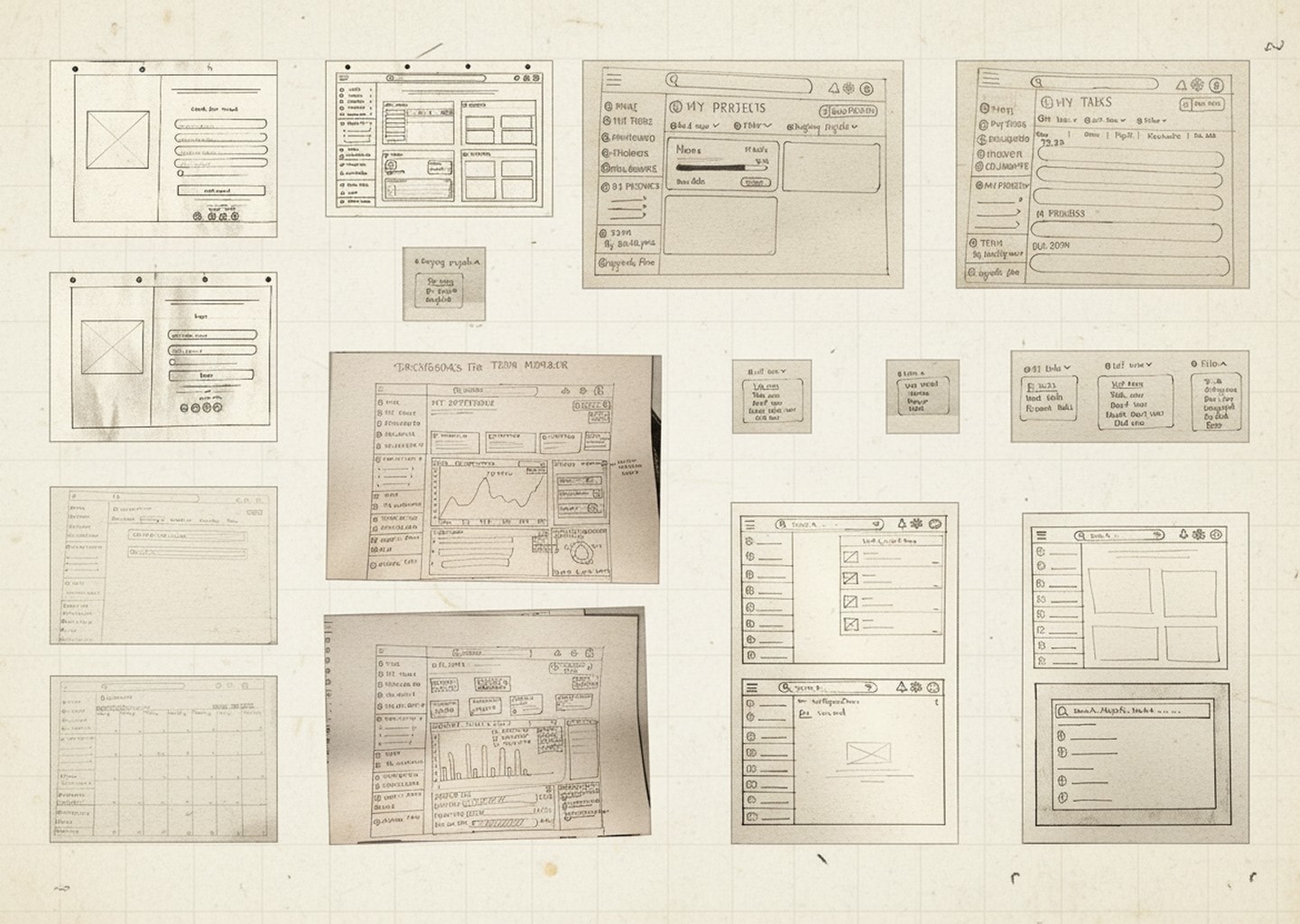
Design: Wireframes, Visual design and Prototype.
Test: Iterated designs based on usability feedback & Heuristic evaluation.
Empathize Phase
Qualitative Research
To understand user needs and challenges, one-on-one interviews were conducted with users from different professional backgrounds. This research helped identify common pain points related to task tracking, collaboration, and accountability, which directly shaped the design approach and feature prioritization.
Interview Questions
How do you currently manage your tasks?
What tools do you use for team collaboration?
What challenges do you face while tracking deadlines?
How do you assign tasks to team members?
What information do you need to see daily to stay productive?
Have you faced issues with permissions or access control?
What frustrates you the most about your current task management tool?
Key Insights
Users felt overwhelmed when managing tasks across multiple tools.
Many users missed deadlines due to lack of reminders and progress visibility.
Team members wanted clear ownership of tasks.
Managers needed quick progress reports without manual tracking.
Role based access was important for maintaining control in teams.
Quantitative Research
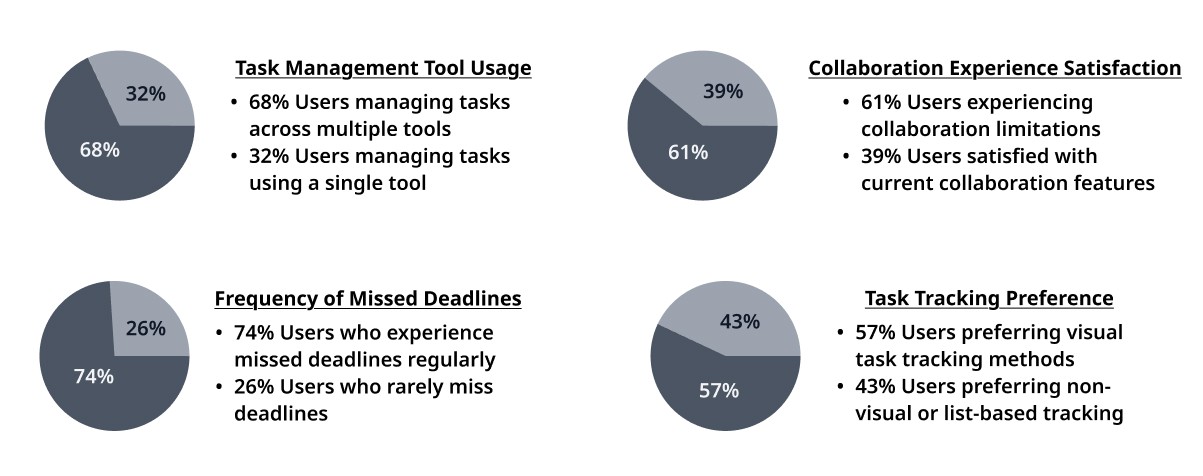
To validate the findings from qualitative research, a quantitative study was conducted using an online survey with 52 respondents. The survey aimed to identify common patterns in task management behavior, collaboration challenges, and feature expectations. The data helped quantify recurring issues and prioritize features based on user demand.
Key Insights
A majority of users rely on multiple tools, indicating fragmented workflows and inefficiencies in existing systems.
Frequent missed deadlines highlight the need for clearer deadline visibility and proactive reminder mechanisms.
Collaboration gaps suggest that users require more integrated communication and file sharing features within task workflows.
Strong preference for visual task tracking confirms that Kanban style boards improve clarity, focus, and productivity.
Competitive Analysis
A competitive analysis was conducted on Wrike, Asana, ClickUp, Todoist, and Linear to understand existing task management solutions and identify gaps in the market. The evaluation focused on features, usability, collaboration, visual workflows, pricing, and accessibility. While some tools offer powerful functionality but feel complex, others prioritize simplicity but lack collaboration depth. Insights from this analysis highlighted an opportunity to design ZIDIO Task Management as a balanced solution that combines visual task tracking, effective collaboration, and ease of use for both technical and non technical teams.
Define Phase
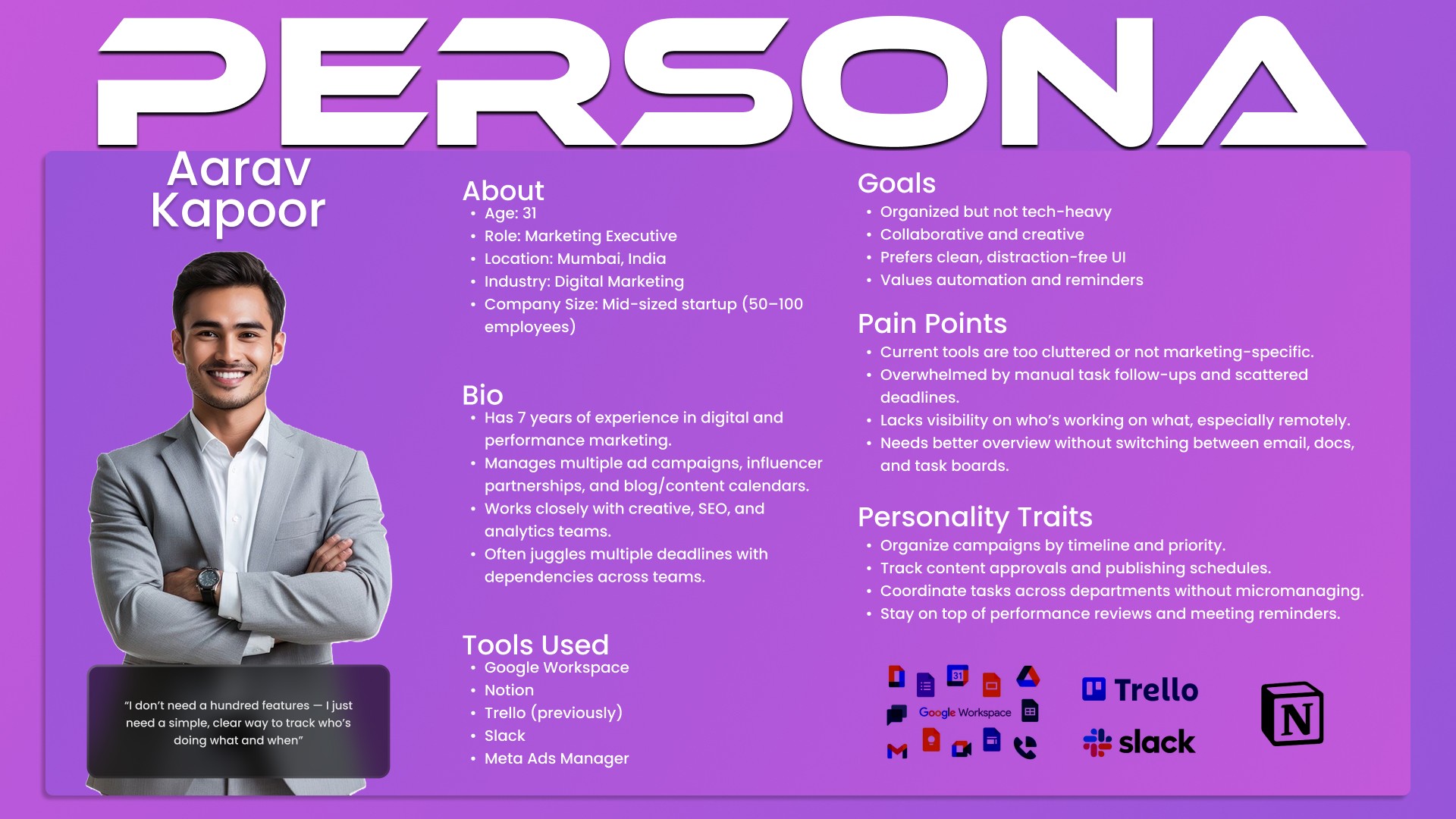
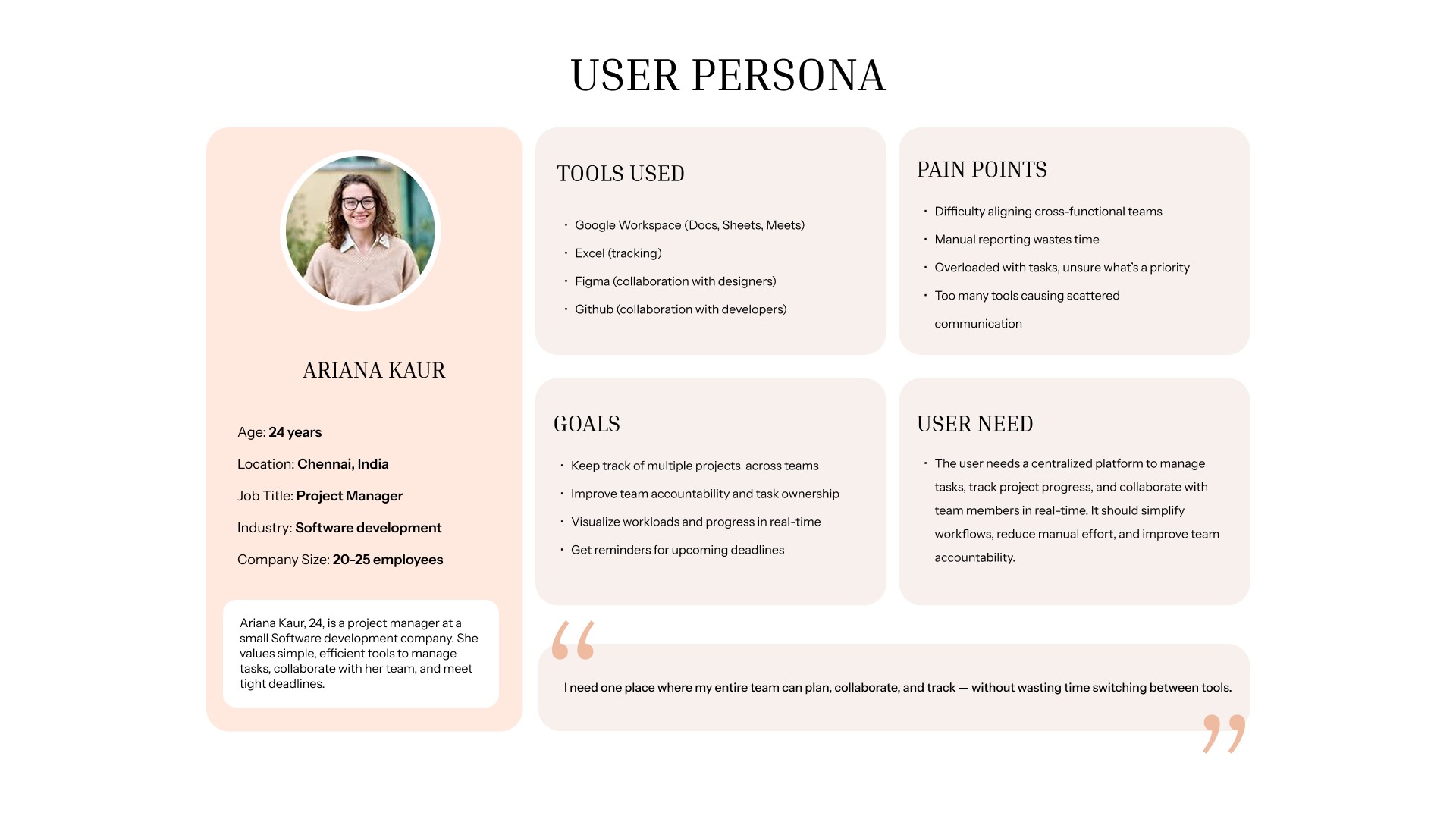
User Persona
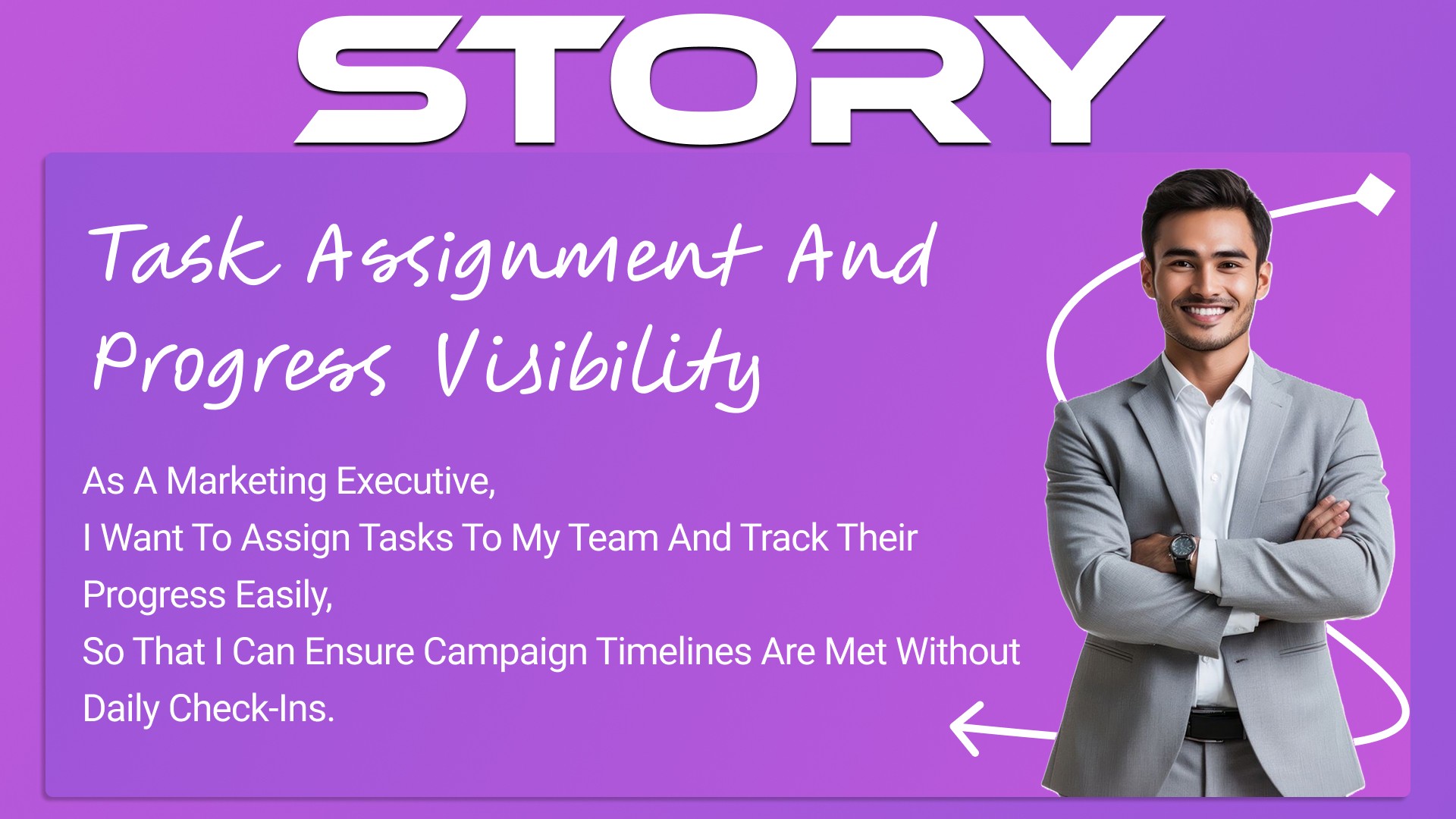
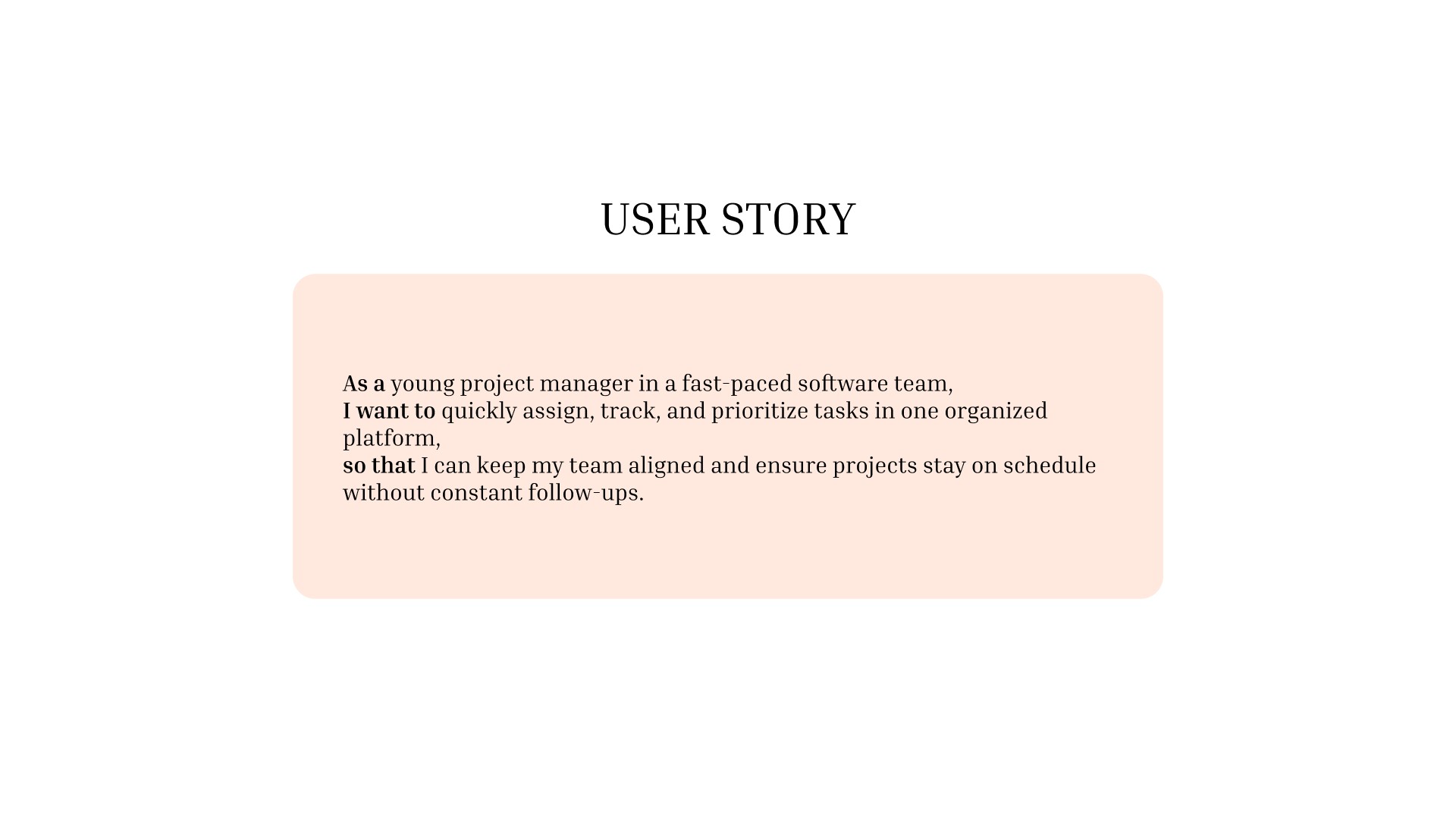
User Story
MoSCoW Analysis
Ideate Phase
Use Flow
Information Architecture
Design Phase
Paper Wireframe
Mid Fidelity
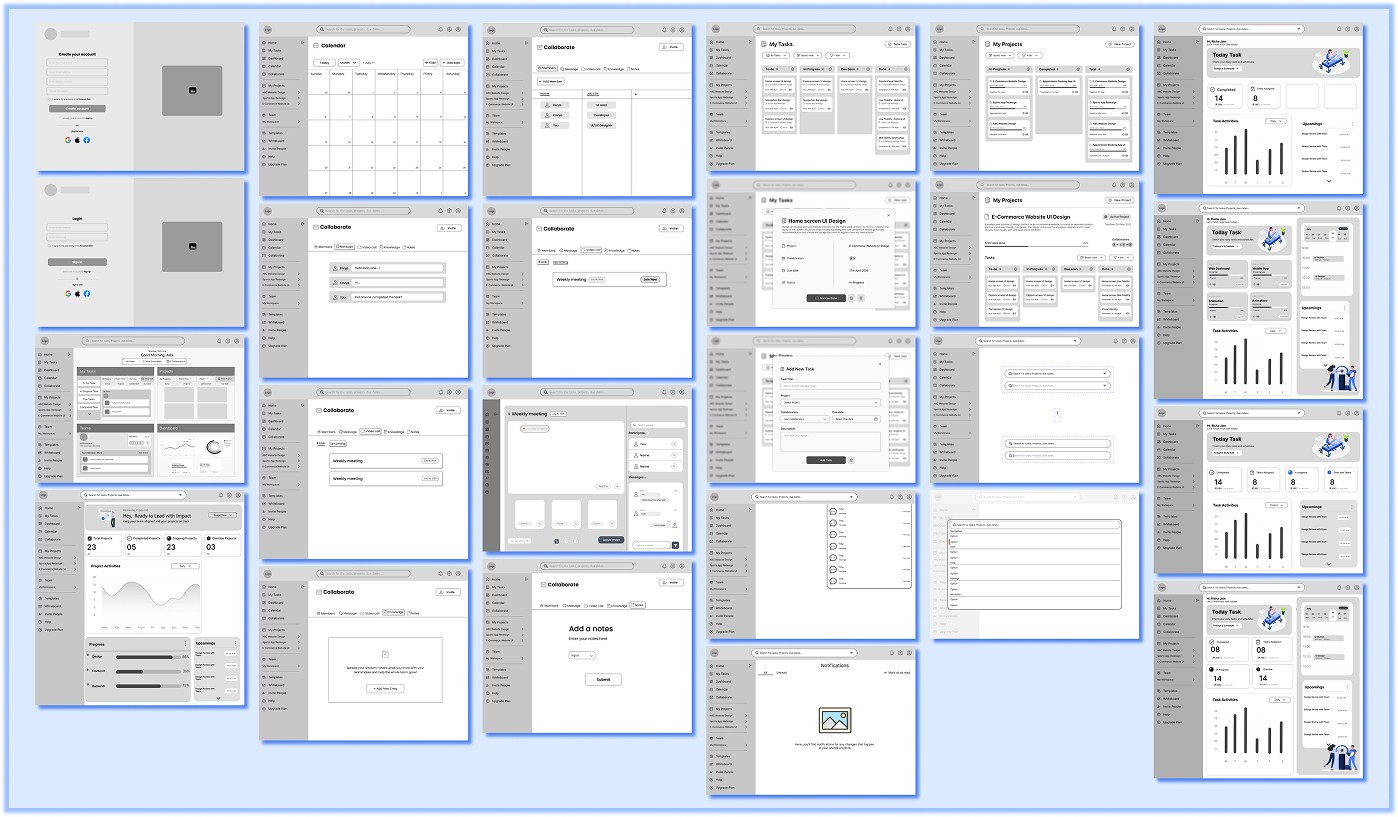
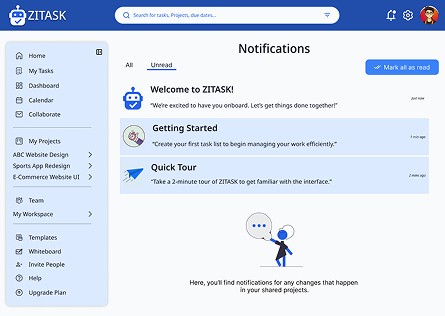
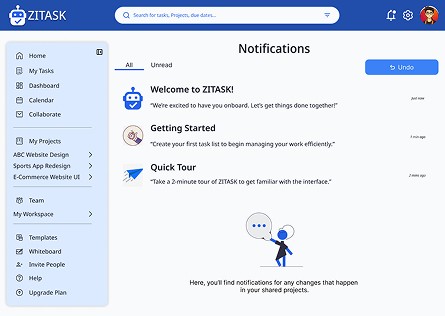
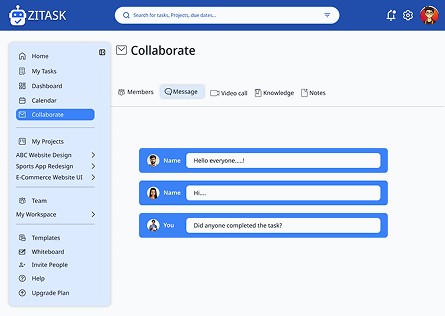
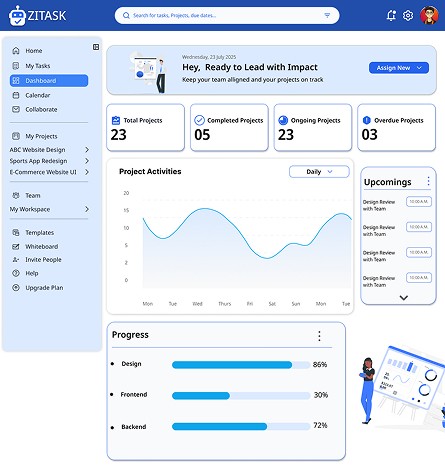
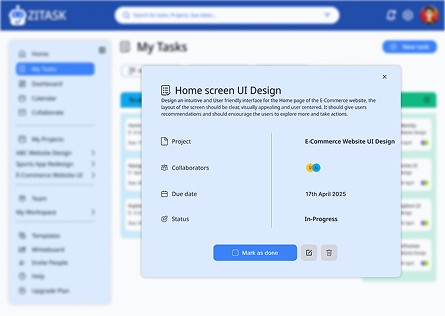
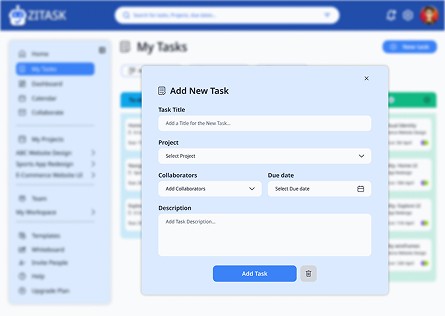
High Fidelity
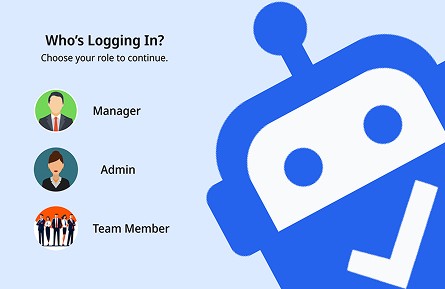
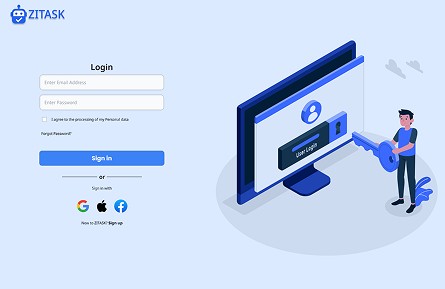
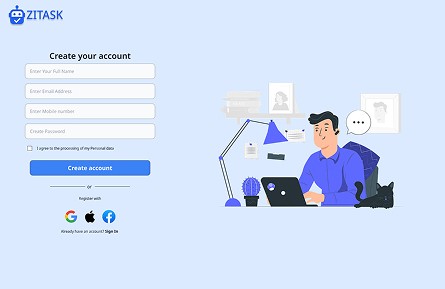
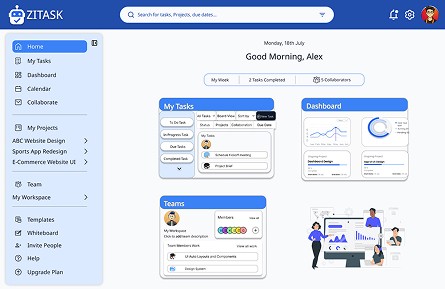
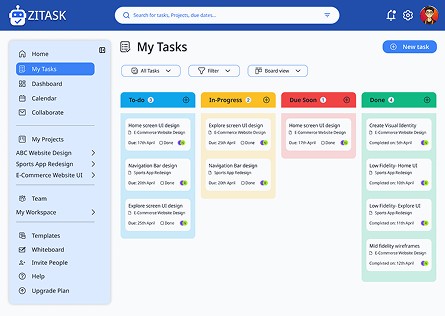
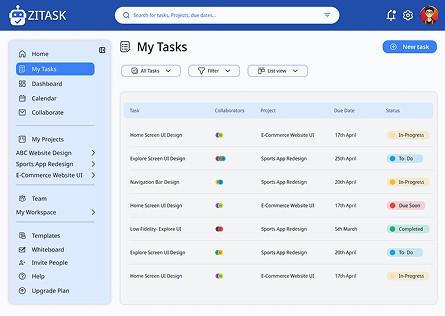
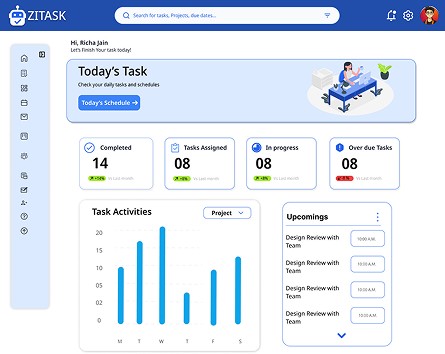
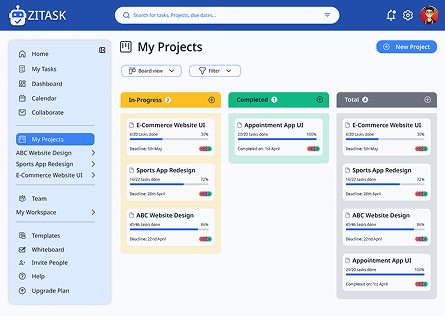
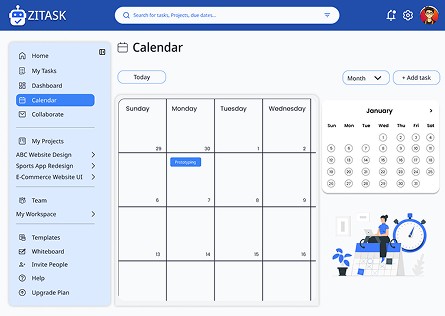
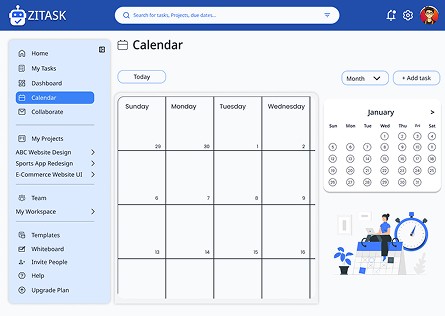
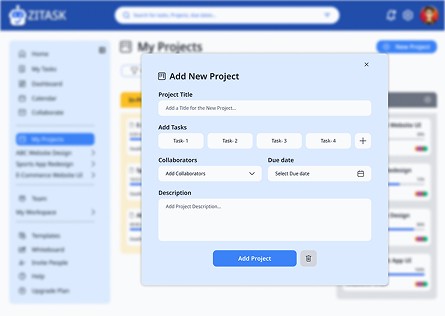
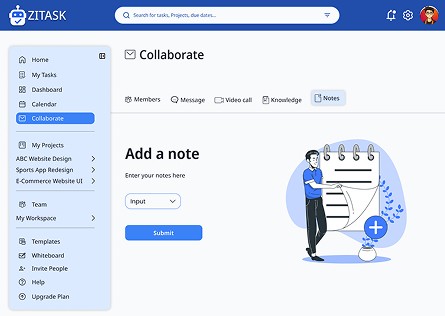
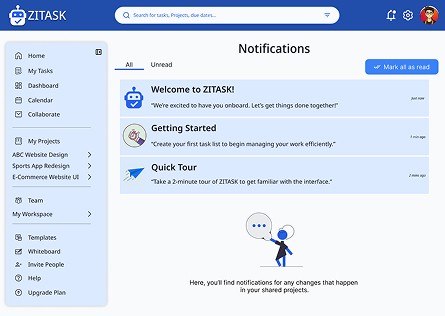
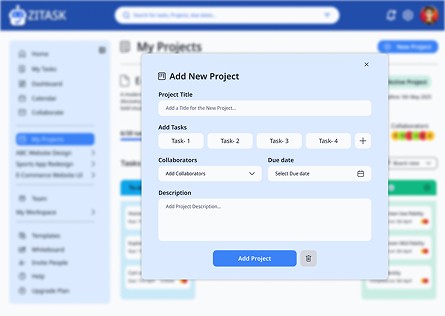
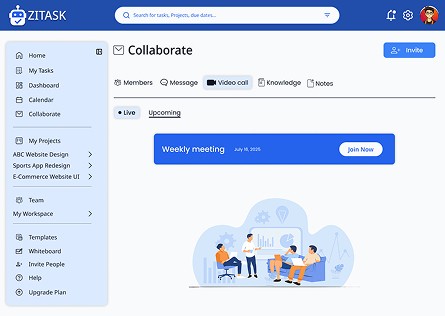
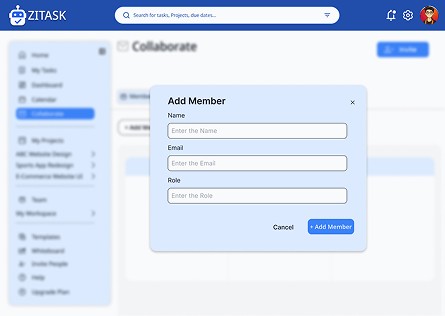
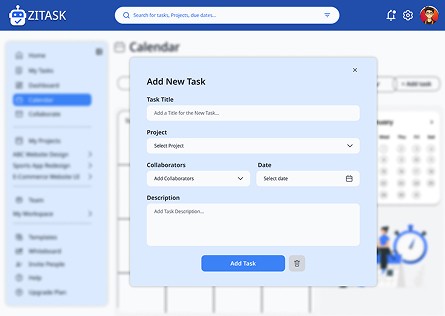
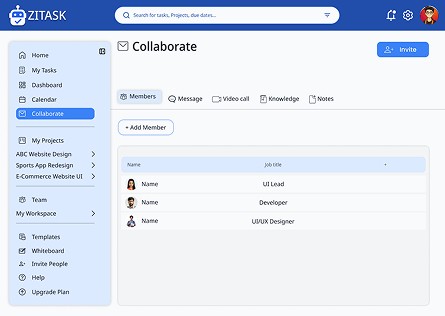
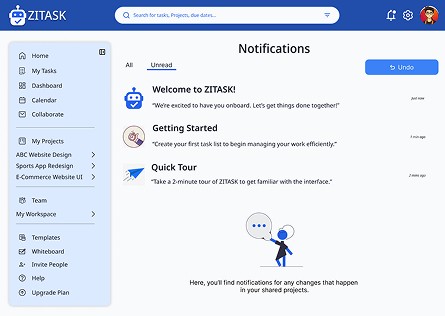
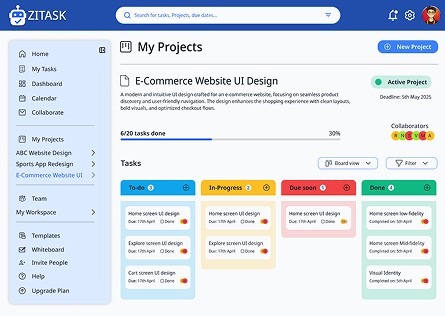
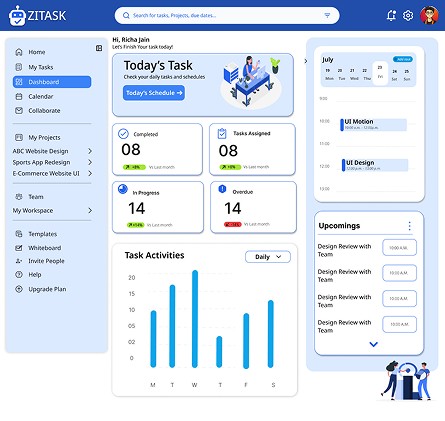
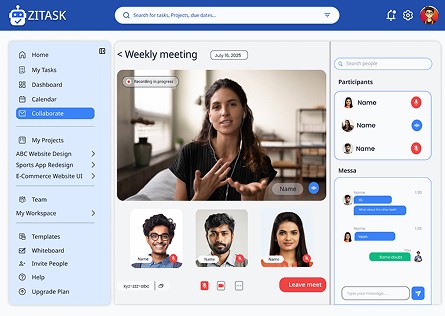
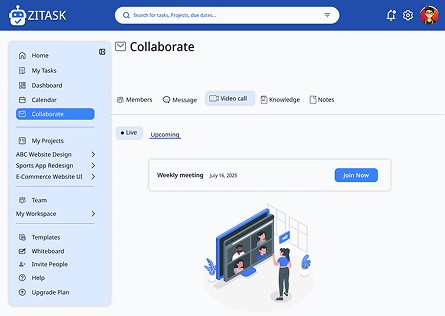
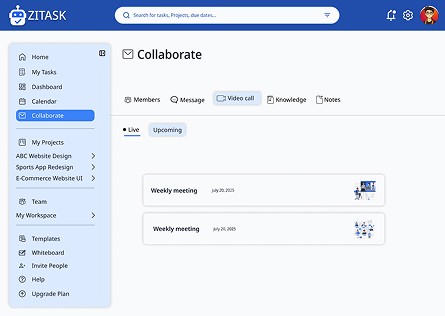
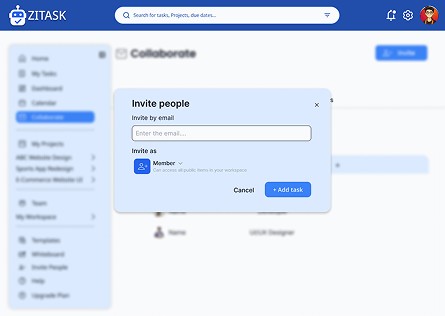
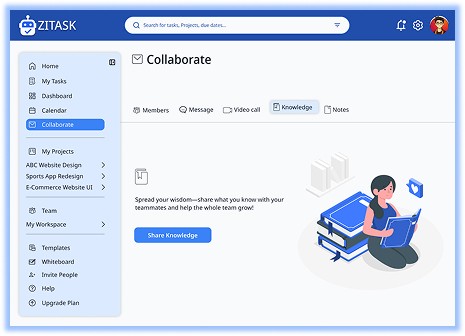
Visual Design
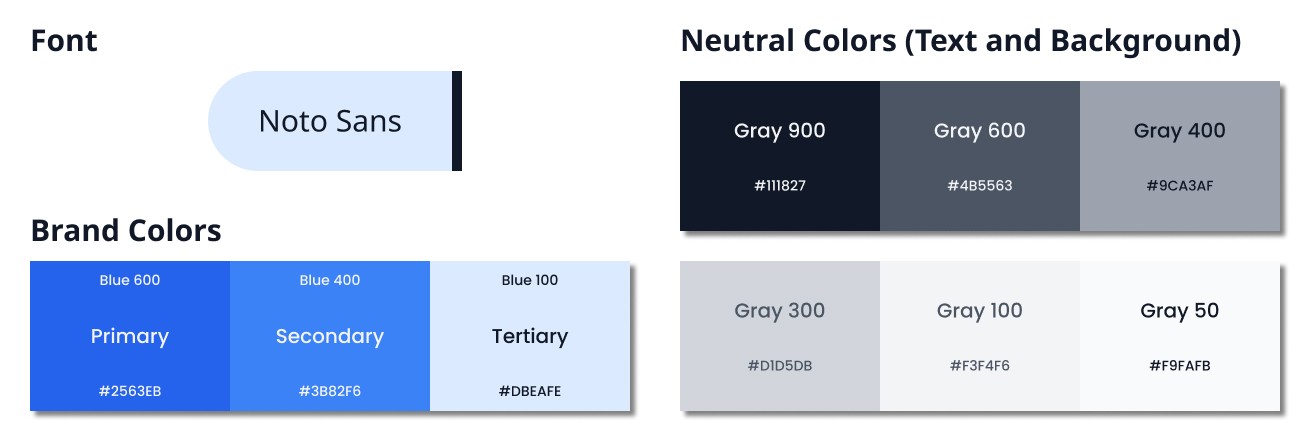
Noto Sans was chosen for the typography because of its clean, modern appearance and high readability across different screen sizes. Its neutral and consistent design supports a professional user interface, making content easy to scan while maintaining clarity and accessibility for diverse users.
Test Phase
During the testing phase, usability validation was conducted by sharing interactive prototypes with representative users to evaluate navigation clarity, task completion, and overall experience flow. Feedback was gathered on accessibility, engagement, and feature discoverability, and the insights were used to refine layouts, interaction patterns, and information hierarchy through iterative improvements.
More Works More Works