April 16, 2025
Zidio E-Learning
A user focused e-learning platform that streamlines learning, interaction, and course management into a seamless digital experience.

Year
2025
Client
Zidio Development
Category
Web Design
Duration
4 - 6 Weeks
User Problem
Learners and trainers using existing online learning platforms often face fragmented learning experiences due to poor navigation, limited interaction, unreliable internet access, and complex course management tools. Students struggle to stay engaged, clarify doubts in real time, and access content consistently, while trainers find it difficult to manage courses, assignments, and learner progress efficiently on a single platform.
Solution
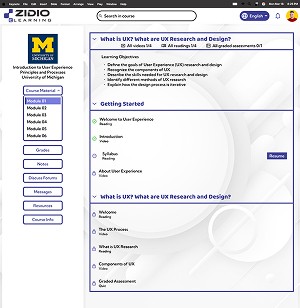
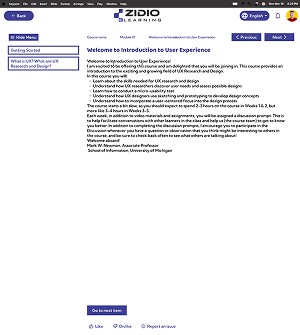
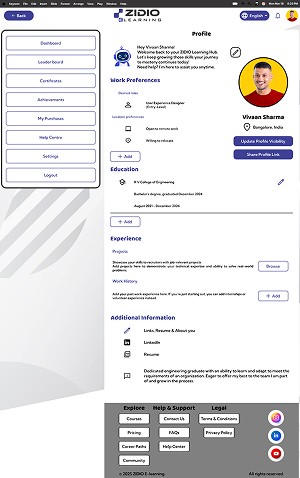
ZIDIO was designed as a comprehensive and user friendly e-learning platform that brings learning, interaction, and course management into one seamless experience.
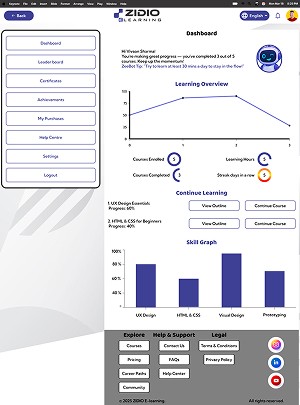
“The solution focuses on a simple and intuitive interface for easy navigation, real-time communication through chat and video Offline content access for uninterrupted learning, robust course and assignment management for trainers, analytics driven insights to track learner progress and engagement.”
Target Audience
College students seeking skill based & academic learning.
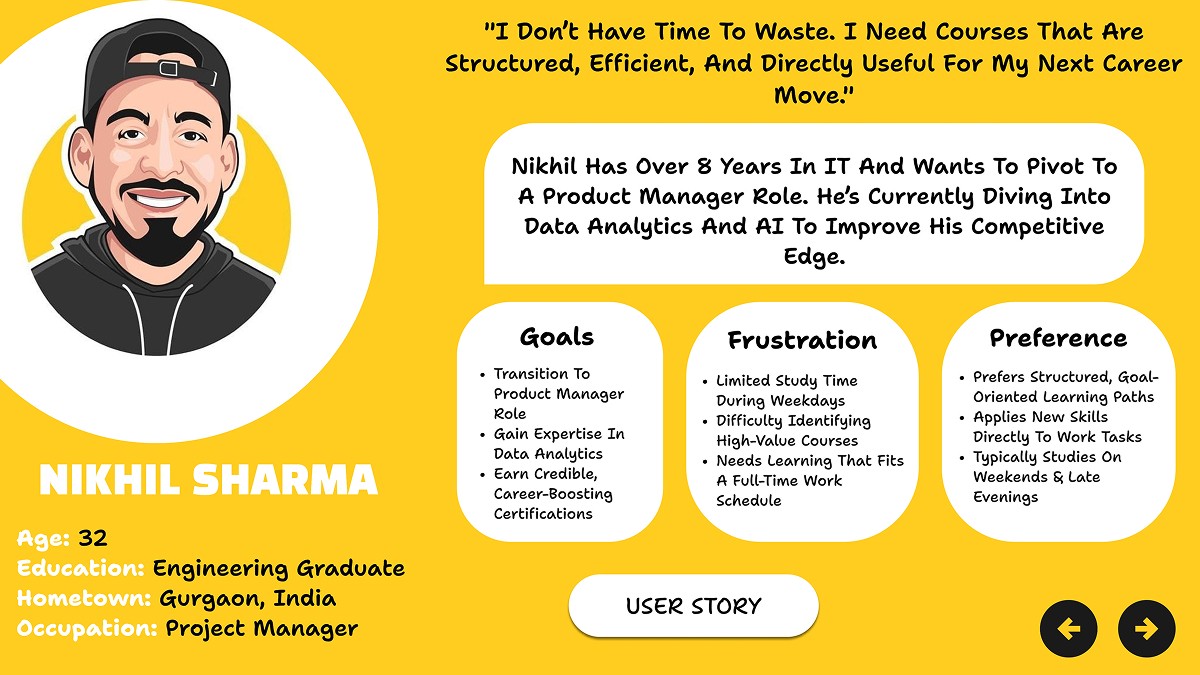
Working professionals upskilling alongside their jobs.
Trainers and instructors delivering online courses.
Educational institutions & training organizations.
Approach
I followed a user centered design approach, focusing on understanding real user problems before jumping into design.
The project involved:
Researching user pain points and expectations.
Validating assumptions with qualitative and quantitative data.
Iteratively designing wireframes and visual designs.
Continuously mapping design decisions back to user needs and business goals.
Design Process
Empathize: User research, user interview and competitive analysis.
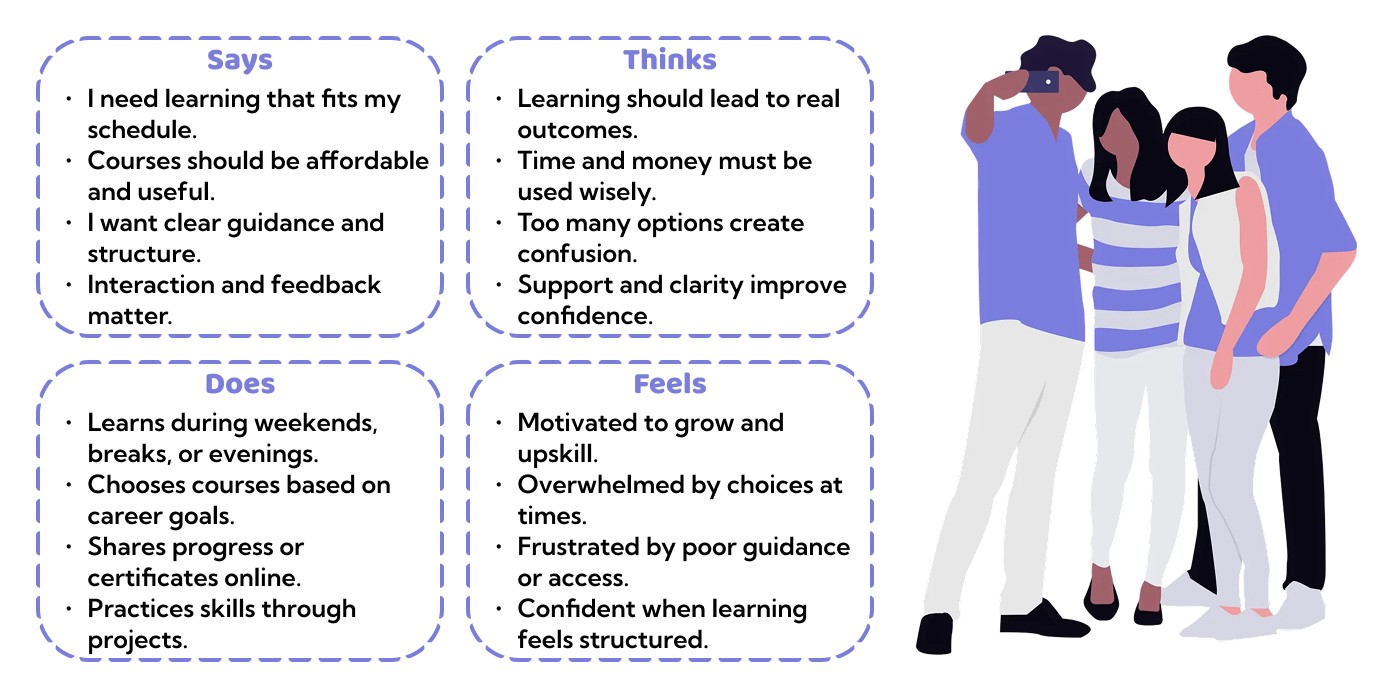
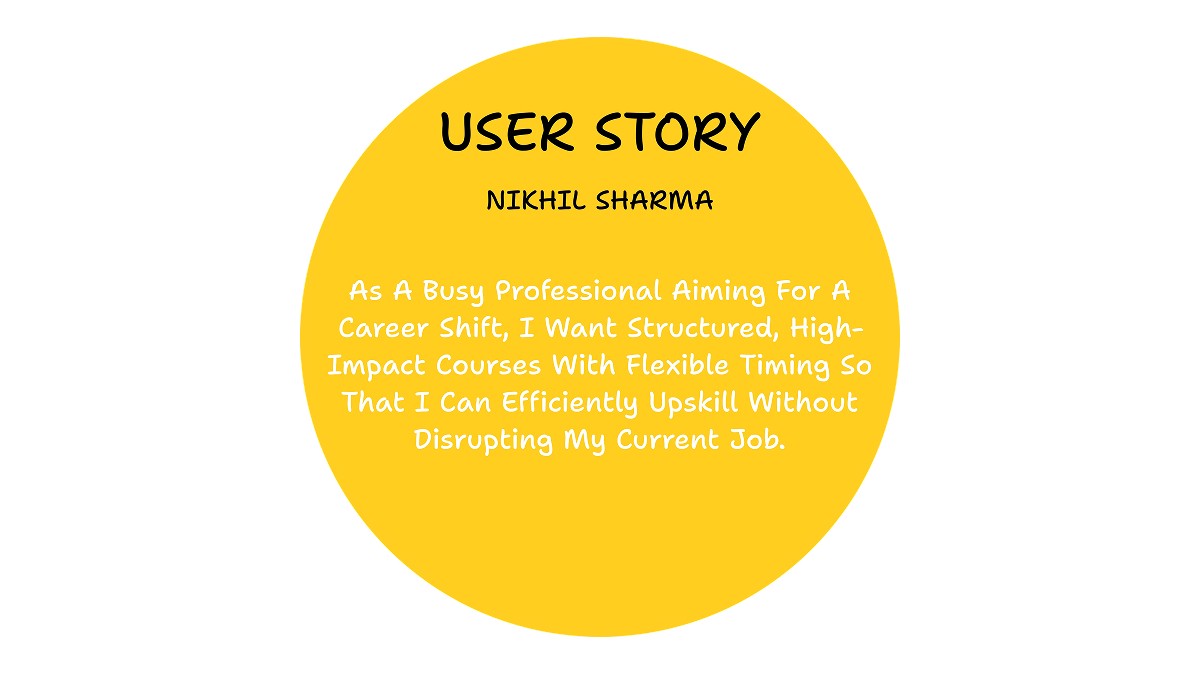
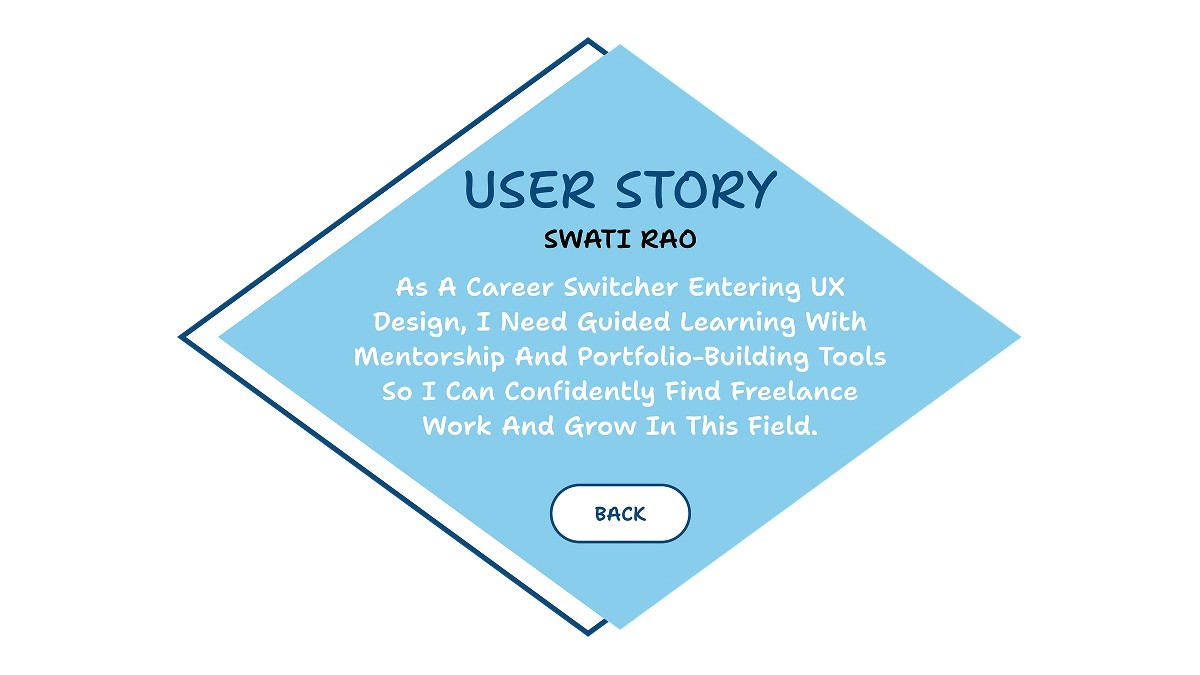
Define: User persona, user story and empathy map.
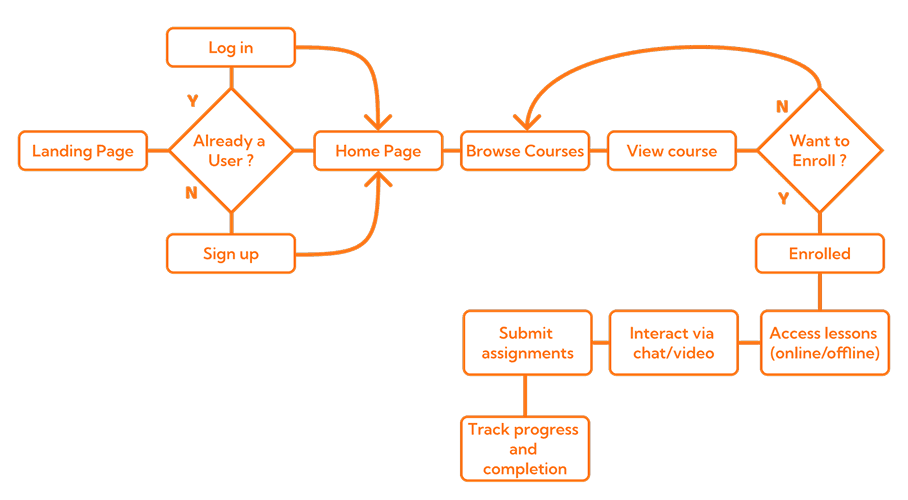
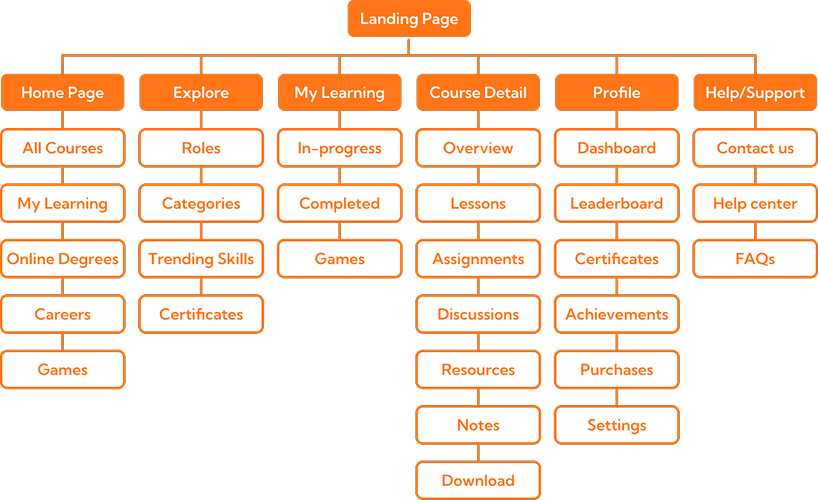
Ideate: User flow and information architecture.
Design: Wireframes, visual design and prototype.
Test phase: Validate usability through feedback and iterations
Empathize Phase
Qualitative Research
Conducted 1:1 interviews with students and trainers to understand how they currently learn, teach, and manage online courses. Through semi structured conversations, I identified pain points such as complex navigation, limited real-time interaction, and internet related learning disruptions. I also observed informal usability behaviour to understand how users move through learning platforms.
Why this mattered ?
These insights helped me design a simpler, more interactive, and accessible learning experience grounded in real user needs.
Interview Questions
How do you currently attend or manage online courses?
What frustrates you most about existing learning platforms?
How important is real-time interaction for your learning?
Have you faced internet issues during learning sessions?
Key Insights
Users want fewer clicks and clear navigation
Real-time doubt resolution increases engagement
Offline access is critical for learners with unstable internet
Trainers want simple tools to manage assignments and deadlines
Quantitative Research
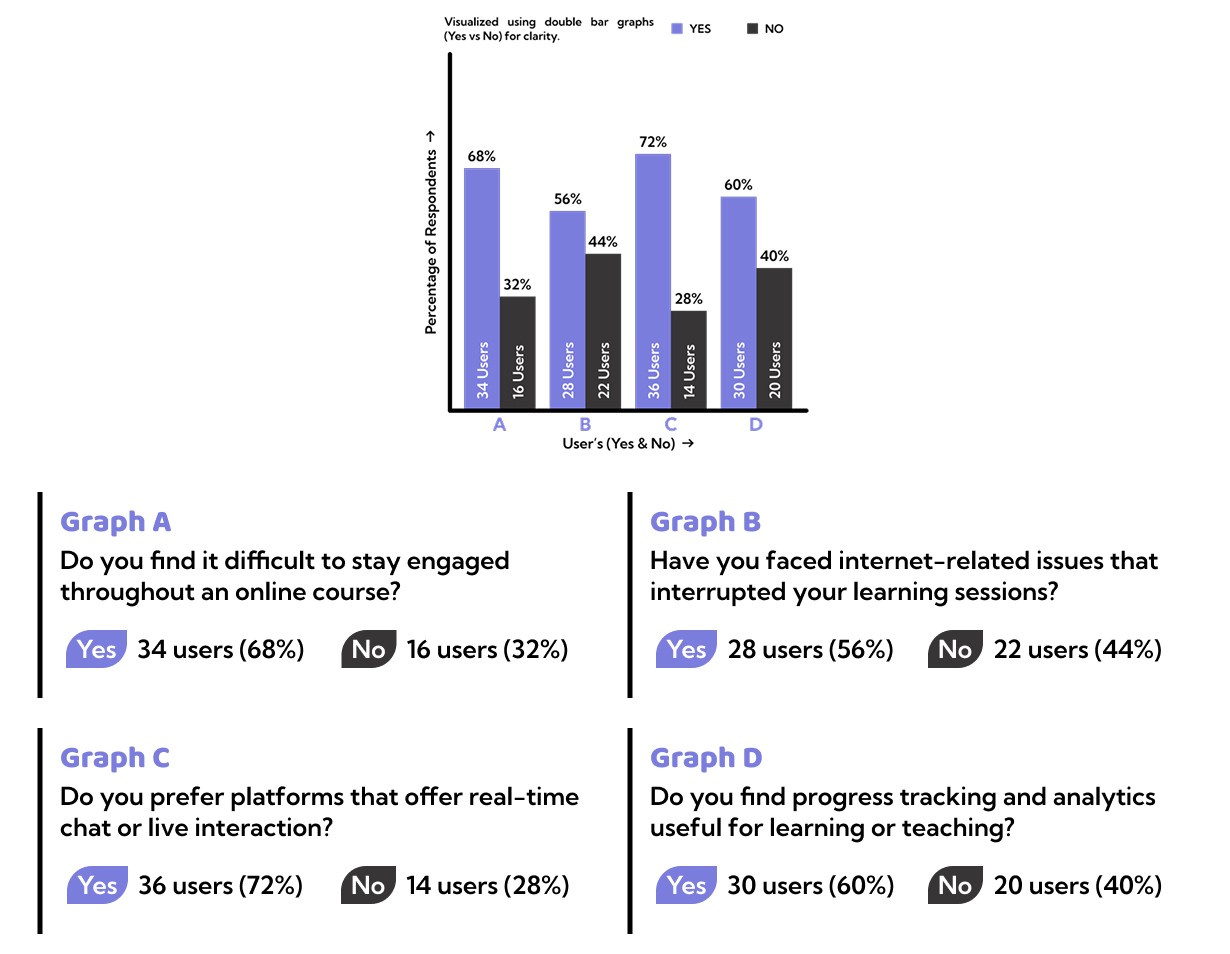
To validate the qualitative insights, I conducted a structured online survey with learners and trainers who actively use online learning platforms. The survey focused on engagement levels, internet reliability, communication needs, and progress tracking. Responses were collected using close ended (Yes/No) questions to identify clear patterns and measurable trends. Total participants: 50 users (38 learners, 12 trainers)
Why this mattered?
Quantitative data helped validate qualitative findings and ensured that design decisions were backed by measurable user behavior, not assumptions.
Key Insights
A majority of users struggle with engagement, indicating the need for interactive and well structured learning experiences.
More than half the users face internet disruptions, validating the importance of offline content access.
Strong preference for real-time communication shows that interaction plays a major role in motivation and clarity.
Progress tracking and analytics are valued by both learners and trainers, supporting data driven learning and teaching decisions.
Competitive Analysis
Conducted a competitive analysis of five major e-learning platforms Coursera, Udemy, Unacademy, PrepInsta, and edX to understand existing market patterns, strengths, and usability gaps. The analysis focused on key aspects such as user experience, navigation, content structure, interaction features, and accessibility.
While platforms like Coursera and edX excel in credibility and structured learning, they feel less engaging for everyday users. Udemy offers variety but lacks consistency in quality, whereas Unacademy and PrepInsta are more exam focused and region specific.
These insights helped identify opportunities for ZIDIO to balance simplicity, interaction, offline access, and learner engagement in a single platform.
Define Phase
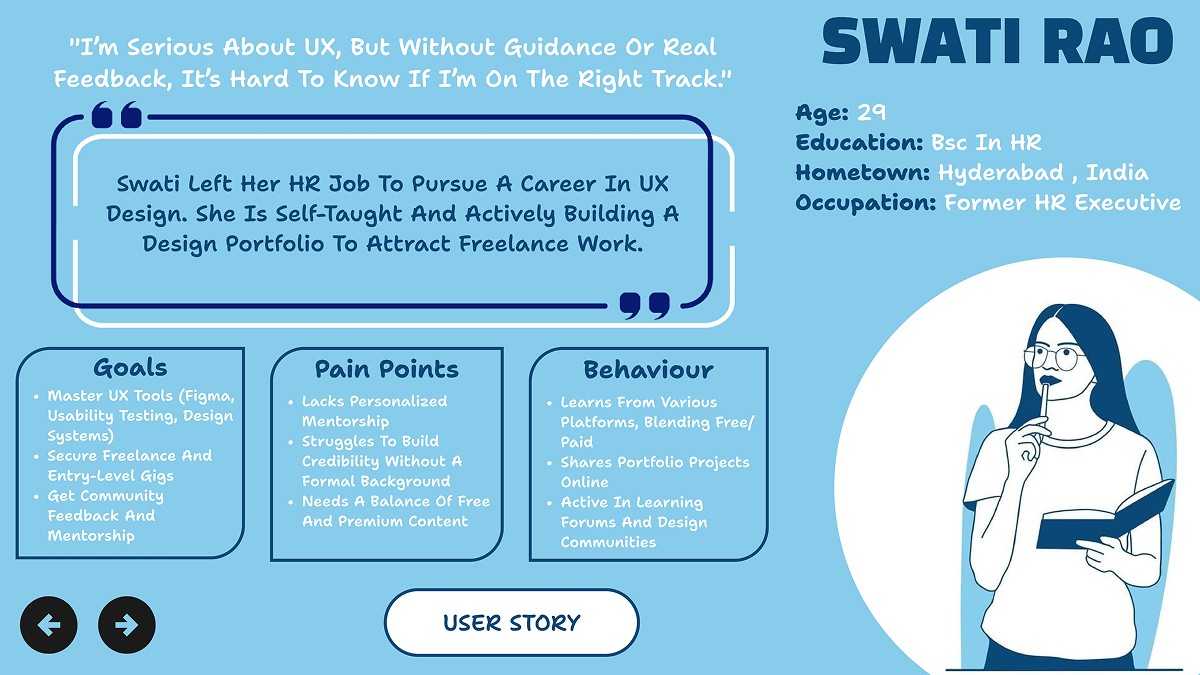
User Persona
Empathy Map
User Story
Ideate Phase
User flow
Information Architecture
Design Phase
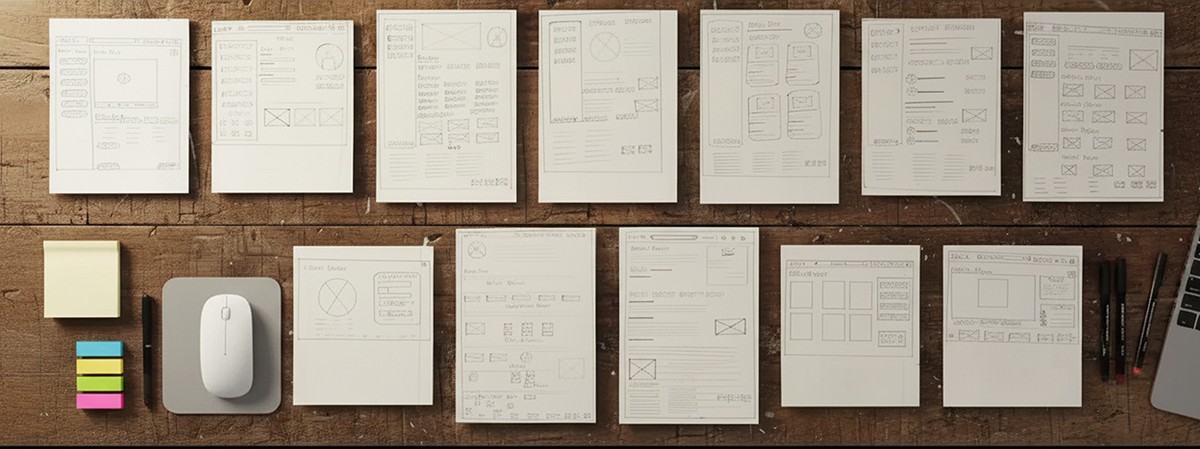
Paper Wireframe
Mid Fidelity
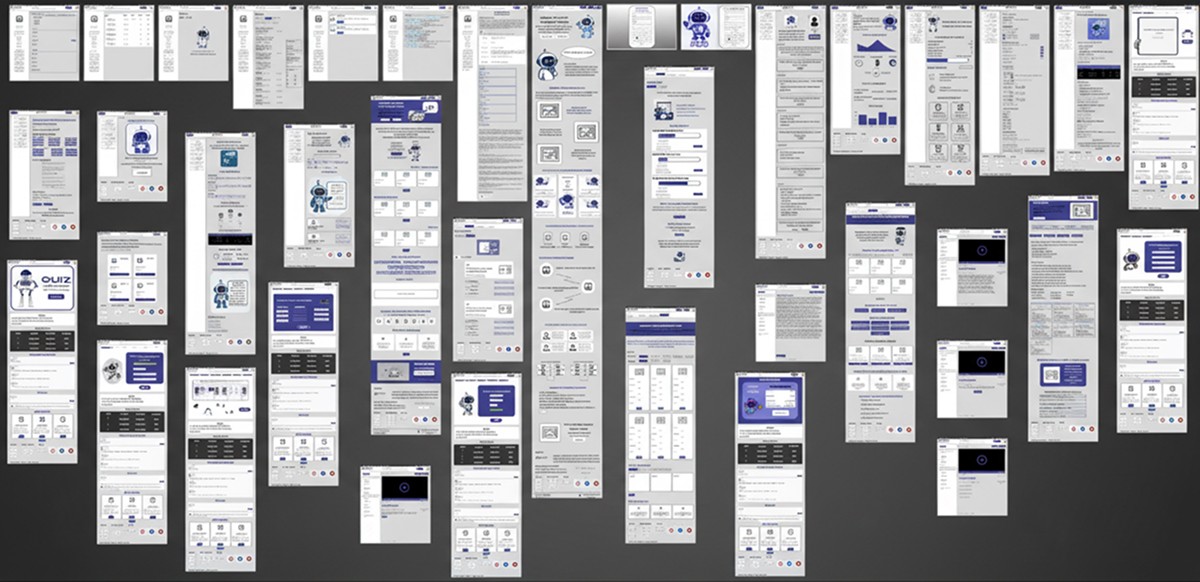
High Fidelity

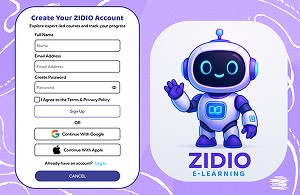
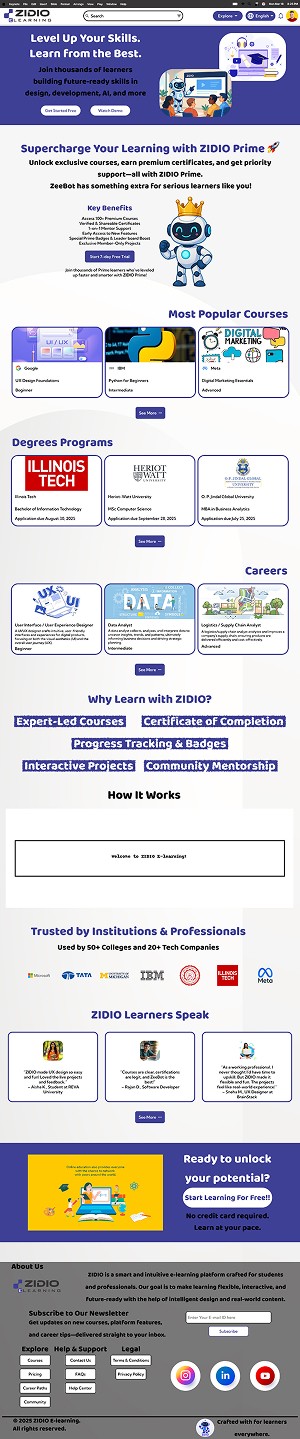
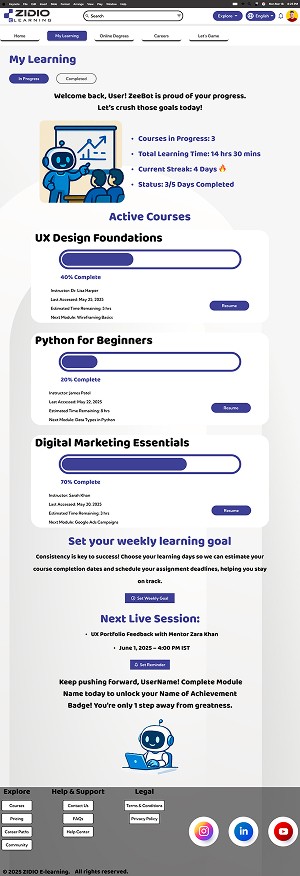
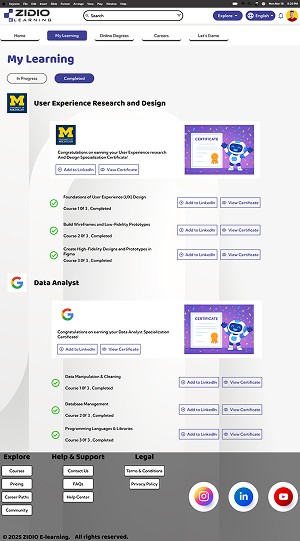
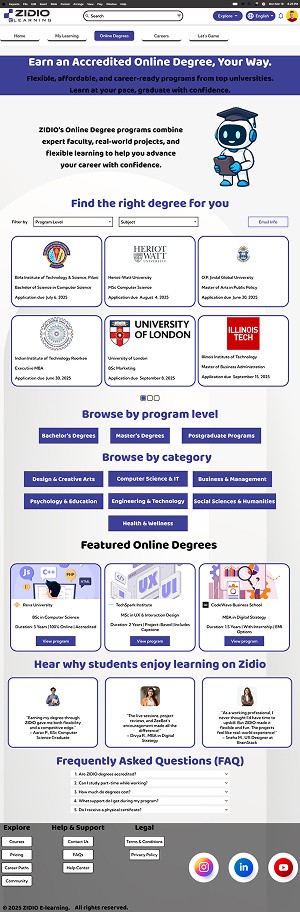
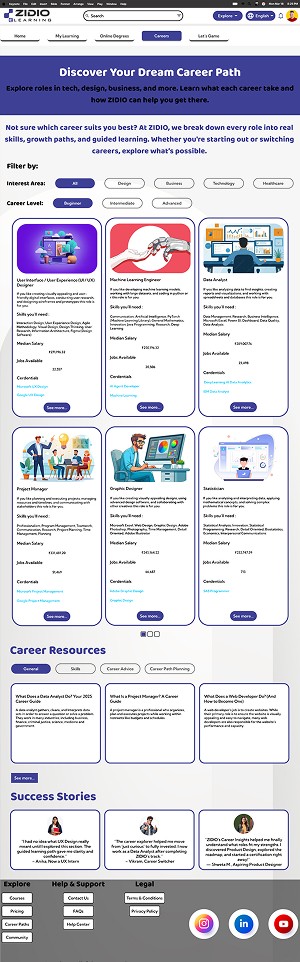
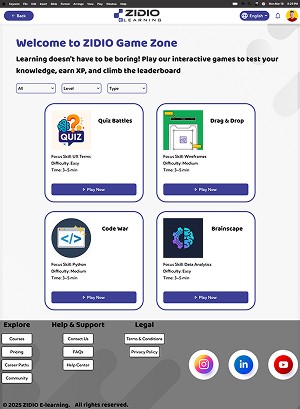
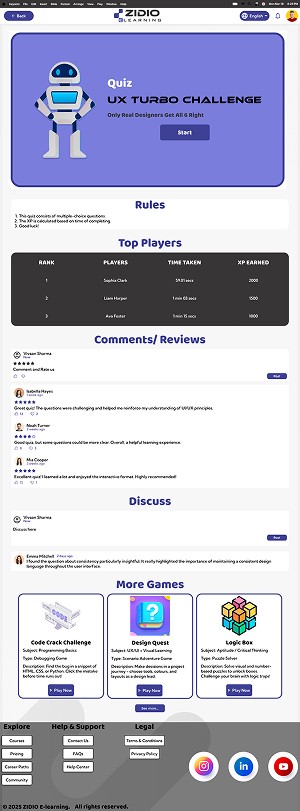
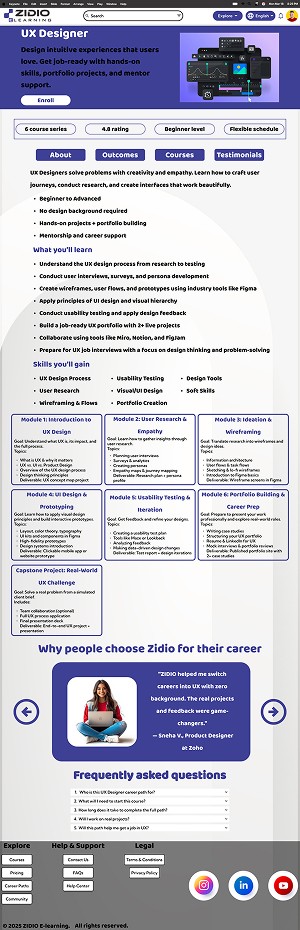
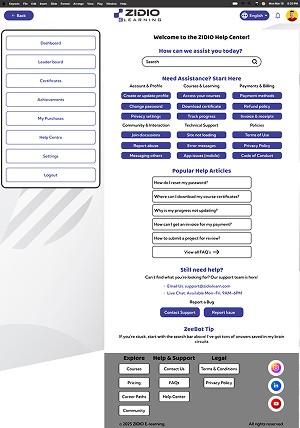
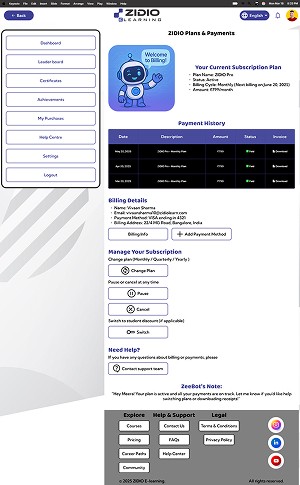
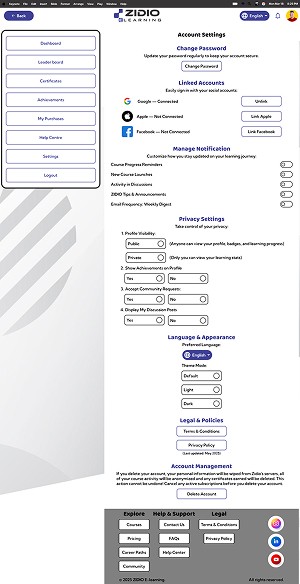
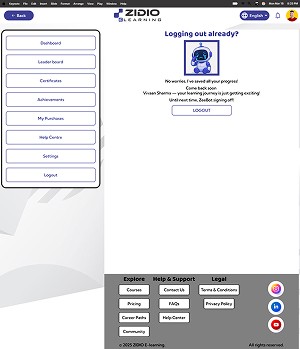
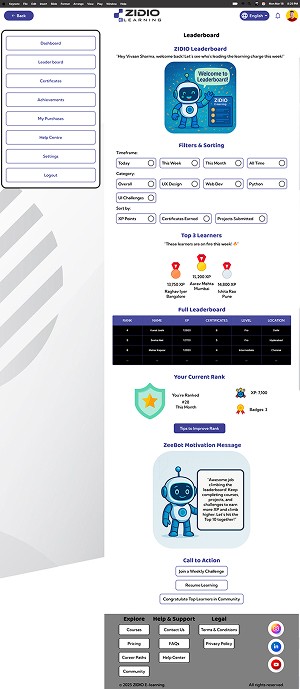
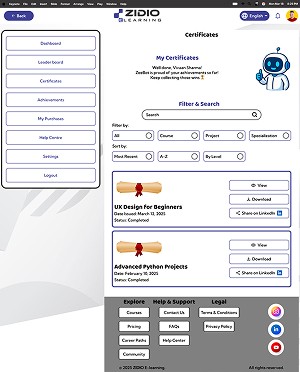
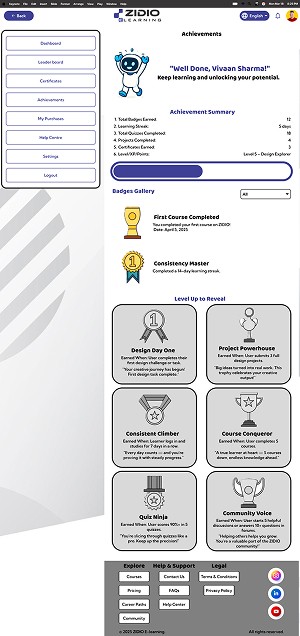
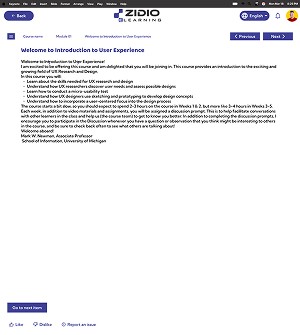
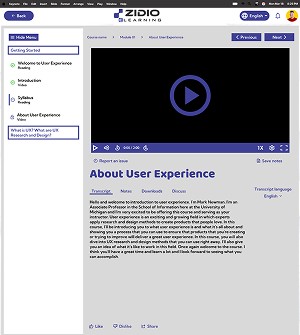
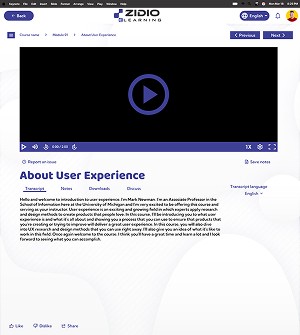
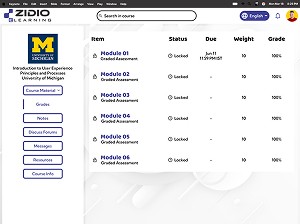
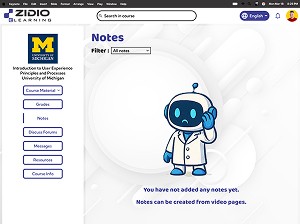
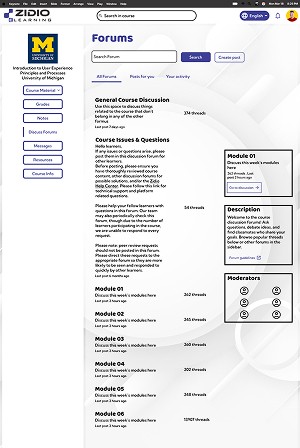
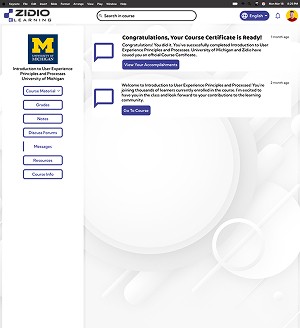
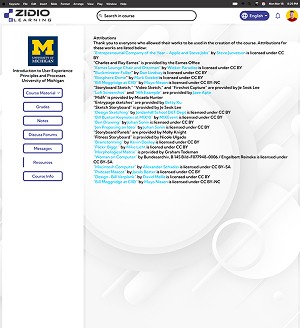
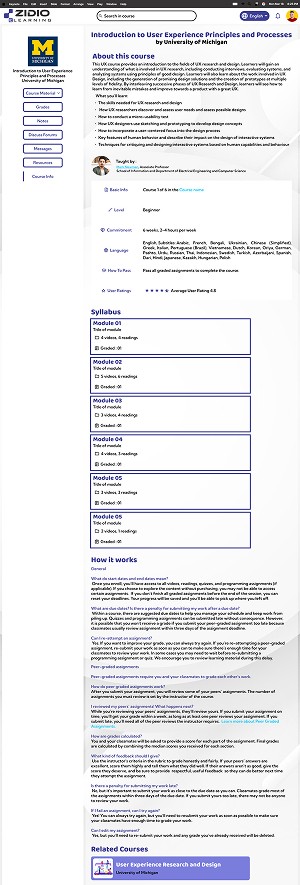
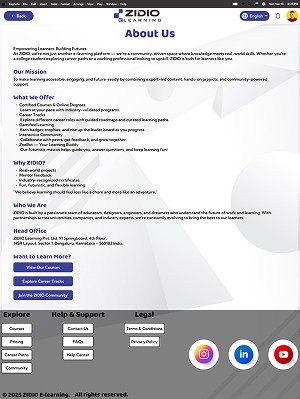
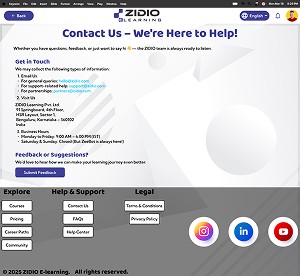
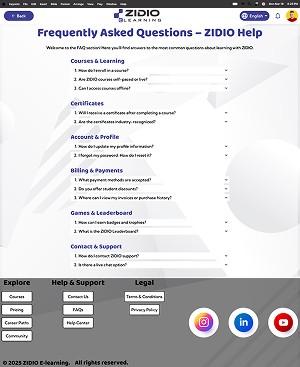
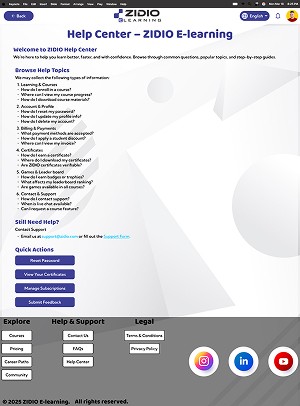
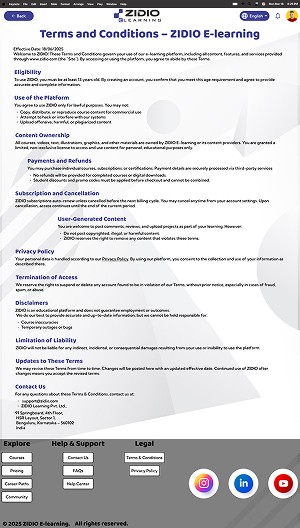
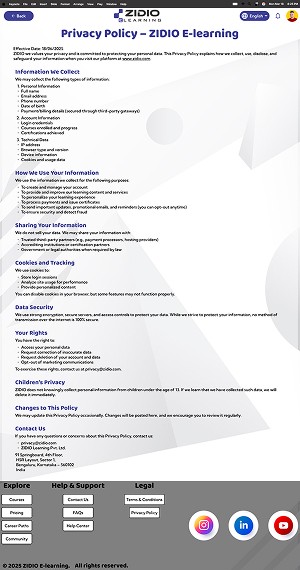
Visual Design
Typography
Baloo: Used for headings due to their rounded, friendly forms that create a welcoming feel while maintaining strong visual hierarchy and approachability.
Ethnocentric: Selected for the logo to deliver a bold, futuristic identity that reinforces ZIDIO’s modern and innovation driven positioning.
Kumbha Sans: Applied to body text for its clean readability on screens, supporting long sessions and accessible, fatigue free reading.
SF Pro Display: Used for captions and emphasis text to enhance clarity and scan ability without competing with primary content.
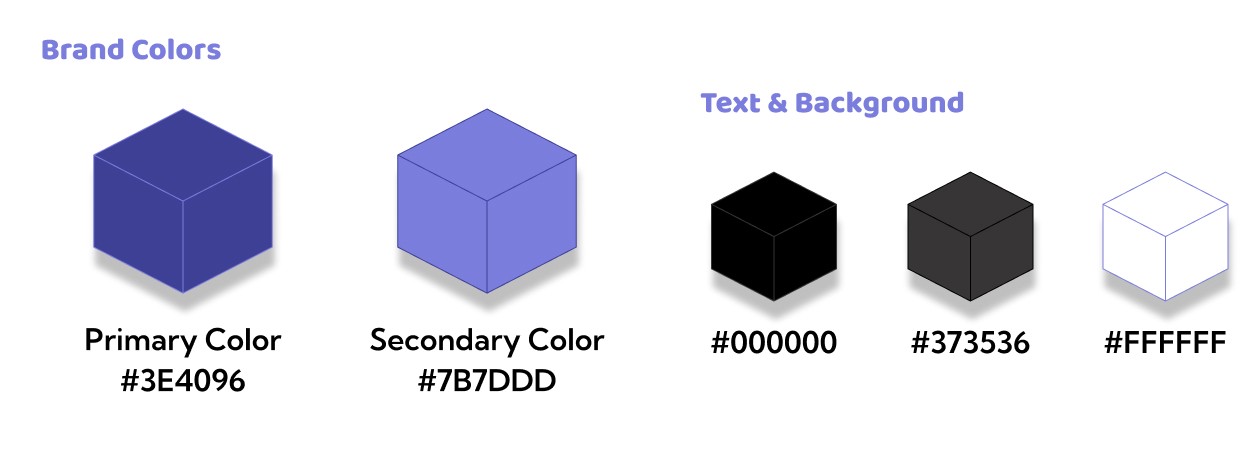
Test Phase
During the testing phase, usability validation was conducted by sharing interactive prototypes with representative users to evaluate navigation clarity, task completion, and overall experience flow. Feedback was gathered on accessibility, engagement, and feature discoverability, and the insights were used to refine layouts, interaction patterns, and information hierarchy through iterative improvements.
More Works More Works